

For custom printing businesses and print shops focused on direct-to-film (DTF) printing, choosing a printer with low maintenance costs is essential for long-term success. The best DTF printer with low maintenance cost combines reliable performance, easy upkeep, and efficient ink use to reduce downtime and expenses. This balance helps small studios and growing brands maintain steady production without unexpected interruptions or hidden costs.
Many DTF printers promise vibrant colors and sharp prints, but the true value lies in their ability to operate smoothly over time with minimal technical issues. Models designed for low maintenance often include features like self-cleaning cycles, stable white ink systems, and straightforward part replacements. This makes them ideal for businesses needing dependable machines that keep overhead down.
Selecting the right printer also means considering ink compatibility, powder adhesion, and transfer film options to ensure consistent quality across fabrics. For those looking to invest wisely, equipment like the best DTF printer for shirts offers a blend of professional results and cost efficiency suitable for various printing volumes and garment types.
What Makes a DTF Printer Low-Maintenance
Low-maintenance DTF printers reduce downtime and save money by focusing on systems that prevent clogging, limit manual cleaning, and improve ease of use. Key features include continuous ink circulation, self-cleaning cycles, durable parts, efficient ink usage, and intuitive controls. These factors contribute to consistent print quality and faster output without frequent repairs or adjustments.
White Ink Circulation System
A white ink circulation system is essential for keeping white ink from settling or drying inside the printer. This system continuously stirs or circulates the white ink, preventing clogging of the print head nozzles. Without this, white ink often thickens and blocks the flow, causing poor print quality and frequent cleaning needs.
Most low-maintenance DTF printers have built-in motors or pumps that mix the white ink during idle periods. This circulation minimizes manual intervention and reduces printer downtime. It also helps maintain consistent color accuracy and print speed by ensuring the ink flows smoothly through the print head. This is especially important when printing detailed designs on dark fabrics.
Automatic Cleaning Functions
Automatic cleaning functions help maintain the print heads without daily manual work. These features include programmed cleaning cycles that flush ink through the nozzles to prevent clogging. Some models perform self-cleaning after every print or automatically every 12 hours to keep the heads clear.
These cleaning processes are essential to maintain print quality over longer periods. They avoid the need for manual syringe cleaning, which can be time-consuming and may damage parts if done incorrectly. Automatic cleaning reduces errors, improves uptime, and supports better color output in each print job.
Durable Components
Durable components extend the life of a DTF printer and reduce repair costs. This includes strong print heads, reliable motors, and sturdy frame materials. Printers built with quality parts handle extended printing sessions and humidity better, which is important for businesses in varied environments.
Durability also means fewer breakdowns and less time spent replacing parts. A reliable printer maintains consistent print quality and speed even through high-volume jobs. Low-maintenance models tend to use components resistant to wear from the ink’s chemical properties and frequent cleaning cycles.
Efficient Ink System
An efficient ink system balances ink consumption and quality. It uses cost-effective inks without compromising color accuracy or print quality. Efficient ink delivery reduces waste and lowers the overall operating cost.
Some printers include software or hardware features to manage ink use precisely, avoiding overuse or drying. These systems work well with RIP software to control how ink is laid down, improving crispness and sharpness in prints. They also support multiple fabric types, optimizing ink flow for each surface.
Easy-To-Use Design
A user-friendly design makes maintenance simpler and faster. Features like easy ink refills, simple paper loading, and intuitive RIP software reduce errors. Clear controls and software interfaces help users manage settings that affect print speed and quality without expert training.
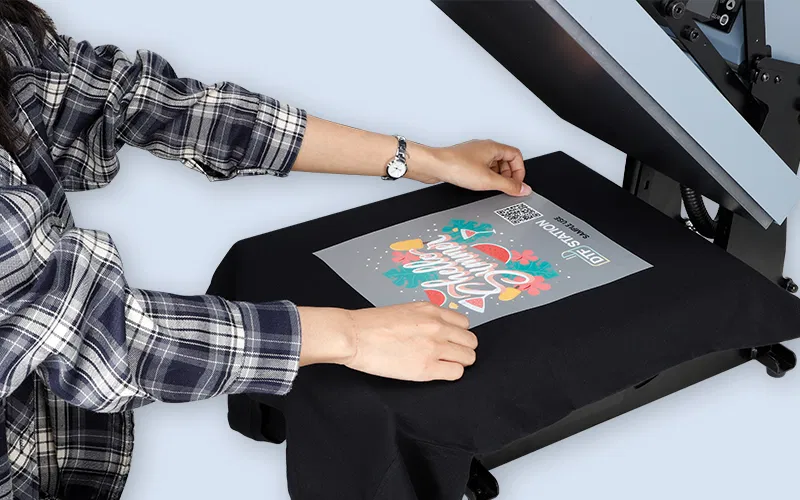
Many low-maintenance DTF printers come with software that allows direct adjustments to images, color profiles, and print layers. This removes the need for additional tools, saving time during setup and production. Additionally, printers that integrate well with heat press methods streamline the post-print curing process, making the entire workflow smoother.
High-quality, reliable printers suitable for small businesses and creators combine these features. Those looking for options can explore trusted DTF printer selections for products known to balance low maintenance with consistent performance.
Best Huedrift DTF Printers With Low Maintenance Cost
These printers offer affordable options designed for different business needs while keeping maintenance costs low. They balance good print quality with easy upkeep, making them suitable for small business owners looking for reliable, low-cost DTF machines.
Huedrift Pro Max DTF Printer
The Huedrift Pro Max DTF Printer is built for users who need higher volume printing without increasing maintenance time or cost. It uses the Epson L1800 print head known for sharp, vibrant prints and durability.
This model includes a robust starter kit that simplifies setup and reduces downtime. Its design allows easy cleaning and maintenance, which helps keep running costs low over time. The printer supports up to A3 size prints, which covers many apparel sizes.
Ideal for medium to large small businesses, it offers high-quality output with stable operation. It comes with warranty and quick shipping options, making it a practical choice for growing businesses needing a balance of quality and cost control.

Huedrift Pro DTF Printer
The Pro DTF Printer uses the R1390 print head, giving it fast, sharp printing suited for small business users. It features an automatic ink circulation system, which reduces ink clogs and lowers maintenance needs.
This model is a good fit for businesses that want dependable prints without constant manual upkeep. It supports full-color prints and comes with a user-friendly setup process paired with fast support.
Small business owners will find this a reliable and affordable DTF printer option that balances print speed and quality. More details about the R1390 DTF Printer can be found in the product description.

Huedrift One DTF Printer
Designed as an entry-level machine, the Huedrift One DTF Printer is affordable and easy to maintain. It offers a compact footprint with simple setup steps, targeting beginners and small shops with limited budgets.
This printer uses cost-efficient ink and features low running costs, making it attractive for those new to DTF printing. The print quality is consistent for its price point, and the printer requires minimal hands-on maintenance.
It is ideal for startups or hobbyists who want to produce custom apparel with minimal investment while avoiding high upkeep. This option is available as a budget-friendly DTF printer with support included to aid new users.

Tips to Keep Maintenance Costs Low
Keeping maintenance costs low depends on proper ink management, using quality materials, maintaining the printing environment, and regular cleaning routines. Each step helps prevent expensive repairs and ensures consistent printer performance.
Run Daily White Ink Circulation
White ink easily settles and clogs printheads if not used regularly. Running a daily circulation cycle keeps the ink moving, reducing sediment buildup.
Operators should set up a routine that circulates white ink through the printer at least once a day.
This prevents pigment particles from sinking and clogging nozzles, avoiding frequent cleanings or costly head replacements.
Shaking white ink bottles before use also helps maintain even consistency.
Failing to circulate white ink can lead to partial blockages, causing poor print quality and wasting ink during cleaning cycles.
Use High-Quality DTF Inks and PET Films
Using brand-certified inks and PET films is crucial.
Low-quality inks may contain unstable chemicals that clog nozzles or damage the printer’s electronics.
Cheap powders can melt unevenly, leading to poor adhesion and print failures.
High-quality consumables are formulated for optimal flow and reliable color output, reducing the need for replacements.
It’s important to avoid mixing inks from different brands. Different formulas impact color accuracy and may cause print defects.
Storing these materials in a cool, dry place away from sunlight extends their usable life.
Maintain a Clean, Temperature-Controlled Environment
DTF printers work best in a controlled environment with temperatures between 20°C and 28°C.
Humidity should range from 45% to 60% to prevent ink drying inside nozzles or powder clumping.
High humidity causes powder to absorb moisture and impact print adhesion, while low humidity can cause static buildup, affecting film placement.
Dust and direct sunlight must be avoided to keep the printer’s sensitive parts clean and functional.
Using climate control tools like humidifiers or dehumidifiers helps maintain stable conditions.
Perform Light Cleaning Weekly
Weekly light cleaning prevents ink residue buildup without consuming much time.
Cleaning includes wiping the printhead surface gently with a lint-free cloth, checking and cleaning capping stations, wiper blades, and waste ink tanks.
Inspect ink tubes for air bubbles or leaks.
Keeping the paper pressing roller free of dust ensures smooth film feeding.
These regular steps lower the chance of severe clogs and reduce the need for costly deep cleanings or part replacements.
Documenting all maintenance activities helps track patterns and plan for necessary parts or supplies.
Conclusion: Print More, Worry Less
Choosing a DTF printer with low maintenance costs allows users to focus more on printing and less on upkeep. Such printers reduce downtime, making production more consistent and reliable.
Key benefits include:
- Lower frequency of cleaning
- Reduced need for expensive replacements
- Simplified operation for beginners and professionals alike
Many affordable models feature user-friendly designs, like ink tank systems and self-cleaning functions. These features save time and money over the printer’s lifespan.
A reliable support system and warranty also help minimize challenges. Users can resolve issues quickly without large repair bills.
When selecting a DTF printer, balancing print quality, speed, and maintenance costs is essential. Affordable machines with good durability offer the best return on investment.
By choosing the right printer, businesses and hobbyists can produce vibrant designs across various fabrics with ease. This efficient approach supports growth while controlling expenses.