
What is DTF printing?
DTF printing technology uses special films and hot presses to print vibrant, detailed patterns onto fabrics. Compared to other printing methods, it has significant advantages in the field of customized clothing.

You can use it to make all sorts of shirt-related items—printable T-shirts, bags, and even some surprises.



The difference between direct film printing and other printing methods
Direct film printing (DTF) employs a unique process. Instead of printing directly onto the fabric, it prints the design onto a specially made film.
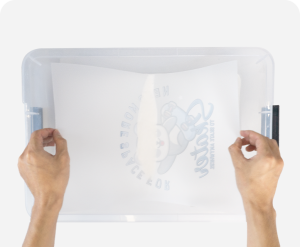
Then ink powder is added. 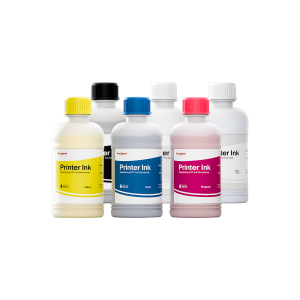 Finally, the ink is transferred from the film to the fabric using a hot press.
This differs from Digital Direct-to-Gallery (DTG), which prints the design directly onto the garment, and also from screen printing, which uses stencils and thin layers. DTG works on a variety of fabrics, such as cotton and polyester, and can print white designs, a revolutionary breakthrough for thin fabrics.
DTF technology avoids the troublesome problems common to other methods, such as ink staining or fading. 
It gives you more choices in colors and fabrics, which is truly a kind of freedom.
Advantages for beginners
DTF printing technology is very beginner-friendly because it is easy to learn and requires no complicated setup. Compared to other methods, you can save a significant amount of fabric costs, thus saving time and effort.

Most printers come with ink, film, and toner, and are ready to use right out of the box. Even beginners can achieve consistent print quality.
DTF printers typically come equipped with wireless functionality and a simple ink refill system, greatly simplifying daily use. Their ink and consumable costs are generally lower than those of screen printing or DTG printing, making them an ideal choice for small businesses or part-time workers, saving on labor costs.
Common DTF printing applications
DTF printing technology has a wide range of applications and can be used in various garments, such as T-shirts, hoodies, bags, sportswear, and more. Because it is compatible with a variety of fabrics, you can use cotton or polyester.
Direct-to-the-fly (DTF) printing is ideal for small-batch production or custom orders because it requires a longer preparation time. You can print vibrant logos, intricate designs, or even full-color photographs on garments.
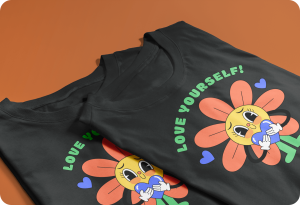
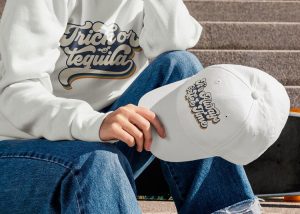

DTF’s heat transfer patterns are durable and remain soft even after multiple washes, which is essential for any garment that needs to be worn. If you want to try something new, you can even have the pattern printed on materials such as wood or metal.
Core components of DTF printer setup
If you are new to DTF (Direct Toll Collection), you need to familiarize yourself with each of the key components of the equipment . These components include printer hardware , ink, order film, and interface toner .
All these key elements work together to create a striking and long-lasting print effect.
DTF Printer Hardware Overview
The choice of DTF printer is crucial to the entire system. It is best to choose a model that supports both CMYK and white inks , as white ink is essential for fabric extraction.
Most beginners can find a reliable and easy-to-maintain printer. You’ll need some features, such as an ink circulation system for white ink, so you don’t have to deal with clogging issues frequently.
Please ensure that the printer size is suitable for your chosen space and is compatible with your ink and film. Some printers can be used directly for DTF printing, while others require a conversion kit.
Software is also important—you need software that can handle color profiles well so that your printed work can truly reflect your design.
DTF inks and white ink tradition
DTF ink contains four CMYK inks and one special white ink. The white ink must be kept flowing, otherwise it will settle and quickly clog the nozzles.
If the printing process is interrupted, the print quality will be affected. High-quality DTF inks can bond well with films and fabrics, and using the right ink helps avoid problems such as insufficient coating strength or fading.
Some inks dry faster, which can improve your productivity. A high-quality white ink system means less maintenance and a longer printer lifespan—definitely worth considering.
DTF Thin Films and Solid Media
This involves printing a film pattern onto a fabric material. You will need a transparent and heat-resistant PET film.
As long as the printing film you choose has good ink absorption and release properties, you can ensure clear and sharp prints. It’s best to test several printing films to see which one is best suited for your printer and ink.
A suitable film can ensure that printed materials adhere quickly and retain vibrant colors after printing.
Applications of adhesives and DTF powders
Ironing powder (or hot melt powder) is an essential material for direct transfer paper printing. After being heated and baked, the powder melts, transferring the ironing material from the film to the paper towel.
After printing the pattern on the film, immediately sprinkle powder on it, let it cure, and then press it onto the clothing. Choose powder with appropriate particle size and uniform melting properties.
The powder in the brochure can cause poor spraying results or abnormal texture. Please pay special attention to the baking temperature and time—this will directly affect the feel and durability of the final print.
Sale
DTF Printer
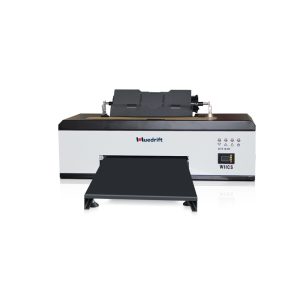
Huedrift One A3+ R1390 DTF Printer
Price range: $1,999.00 through $2,399.00
Cartridge-free super warehouse printer
Cartridge-less super ink can printers use refillable ink cans instead of small ink cartridges, making them more convenient to use. This not only reduces ink costs but also reduces waste.
They are generally in good working order, and replacement parts are readily available. You can wholesale models like the Epson EcoTank, which are suitable for DTF printing—they offer CMYK plus white color printing, which is crucial for achieving consistent and reliable print quality.
With the powder mixer and hot press added, everything is ready. These printers require some tweaking to get started with DTF printing, but they’re fixed-price and the cartridges are refillable, making them a perfect option if you want to try it out without investing too much money.
Emerging entry-level options
New advanced DTF printers targeting beginners are constantly emerging. These printers are designed specifically for DTF printing and are equipped with white ink systems and improved powder handling capabilities.
Take Huedrift One as an example—it’s affordable, reliable, easy to set up, and offers genuine user support. This greatly reduces the stress of the learning process.
Entry-level printers now offer larger print sizes, faster print speeds, and automatic ink circulation to prevent clogging. These upgrades will significantly lower the barrier to entry if you’re looking to transition from amateur to light business use.

Beginners need to consider key features
When choosing a DTF printer, you should focus on ease of use, print quality, and the ink system . These factors directly affect print quality and workflow smoothness.
You have a machine that matches your skill level, which can help you easily create the loud, varicose cancer you want.
User-friendliness and maintainability
Looking for an easy-to-use and set-up DTF printer? Clear instructions and user-friendly software make it a breeze.
Maintenance is crucial – if not handled properly, white ink can clog the printhead. Printers equipped with a white ink circulation system ensure smooth ink flow and reduce cleaning time.
Wireless connectivity and convenient ink cartridge functionality add to its many advantages. If you are a beginner, avoid printers with complex hardware or cumbersome parts replacement processes.
Print resolution and speed
Print resolution affects how well details are rendered in flowcharts and design drawings. For best results, a resolution of at least 1440 dpi is recommended.
Higher resolution results in better color reproduction and finer details. Printing speed is also important, especially when printing large quantities of T-shirts.
Choose a printer that can print at least 10-15 pages of color documents per minute. Faster printing speeds can save time, but sometimes they can increase costs.
Please remember that printing speed depends on your design and printer model. Find the best balance that best suits your needs.
Ink systems and kits
The quality of DTF ink has a significant impact on print quality and durability. It is designed for dedicated DTF ink printers and offers vibrant colors and excellent washability.
Using a high-capacity ink system or a cartridge-free design can save on long-term costs. Some printers can even provide ink, toner, and film simultaneously, further reducing your expenses.
Checking the white ink circulation in the ink system is crucial for preventing printer malfunctions. Purchasing a printer that includes a complete DTF ink kit simplifies the installation process and ensures all components are functioning correctly.
Essential accessories and supplies
Getting started with DTF printing requires more than just a printer. The right accessories and supplies are essential to ensure quiet, durable, and easy-to-use printing.
The key is to purchase a high-quality hot press , the appropriate DTF file and preform , as well as some software tools that will help with further operations.
Hot pressing
Once the preset settings are complete, the hot press can operate normally. This requires a machine that can provide uniform and stable temperature and pressure. This ensures that the selected preset values can maintain vibrant colors for a long time.
Check if it has an adjustable temperature setting and a timer. Smaller hot presses are generally easier to use and more affordable, making them suitable for beginners. HTVRONT hot presses are popular for their simplicity and ease of use.
Use a protective pad or film to prevent the pattern from coming into direct contact with the heat press. This will prevent damage to the pattern or clothing due to high temperatures. Proper operation of the heat press can prevent common mistakes such as uneven adhesion or burn marks.
DTF paper and final film
DTF paper is designed specifically for inkjet printers, offering excellent ink absorption and rendering images beautifully. The right paper can make your prints more vibrant and lifelike.
HTVRONT DTF therapeutic film is renowned for its combination of strength and flexibility. It works exceptionally well with inks and conditioning powders, ensuring your prints meet your expectations.
When choosing a face mask, ensure it is compatible with the ink and its moisture content. Select a clear, creamy lotion to avoid unsightly fogging or dissolution. Apply adhesive powder evenly to the printed pattern to speed up heat-press drying. If in doubt, test different combinations on fabric first.
RIP software and workflow tools
The basic function of RIP software is to convert your artwork into a printer-compatible DTF format. It can manage color profiles and layouts, ensuring your designs print perfectly.
The software includes tools for adjusting marker and printhead settings. These features help prevent color shifts and improve print quality.
Some RIP programs will guide you through the entire process and handle tricky issues like color management and ink density. If you’re a beginner, this is a lifesaver.
Adding RIP software to your printing equipment can make print quality more stable and save you a lot of trouble from repeated adjustments.
DTF Printer Getting Started Guide
To achieve the desired T-shirt printing effect, keep the following key points in mind: avoid common mistakes made by beginners, keep the machine running smoothly, and choose a suitable custom pattern. Paying attention to these aspects will make your T-shirt printing process smoother.
Mistakes to avoid for beginners
Skipping the learning curve for the printer and software is a classic mistake. Always read the instruction manual and do some test prints before you start printing. Using the wrong ink or film? That will ruin your prints and could even damage them.
The hot air balloon may travel too fast. If the temperature or pressure is not properly controlled, the printed pattern may not be interrupted. In addition, if the white ink system is forgotten to run, the print head may become clogged, affecting print quality.
Some problems require repair, but this step is sometimes overlooked. Frankly, if you don’t clean your printer, a damaged printhead can ruin your design.
Basic maintenance procedures
To extend printer sleep time, clean the printer regularly. Wipe the printhead weekly with the recommended cleaning solution to prevent ink clogging, especially white ink clogging. If the printer is not used during off-peak hours, flush the ink system.
Add ink carefully and check the ink level to prevent ink damage during printing. If your printer has a scanner and headphone function, remove these accessories. For better compatibility, be sure to update the firmware and software regularly.
Therefore, please place the printer in a clean, dry place, away from high or low temperature environments. After printing, please check the film feeder—paper jams can affect your T-shirt business.
Recommended custom design
First, choose a simple and clear design suitable for DTF printing. Generally speaking, clear, sharp lines are more popular than complex and realistic images.
Logos, text printing, and simple patterns are all great for beginner projects. If you want a more eye-catching effect, choose vibrant colors—DTF printing produces vibrant results, especially on printed fabrics, and works even better with white ink.
Don’t worry too much about the details. These details may become blurry or faded after a few washes, and frankly, they’re a pain to fix.
Try adjusting the position and size of the pattern using the printer’s built-in software. Print on various fabrics—cotton, polyester, blends—to see which best suits your style.
If you have a scanner or synchronizer, you can use them to quickly create custom templates. This saves time and makes experimenting easier.