
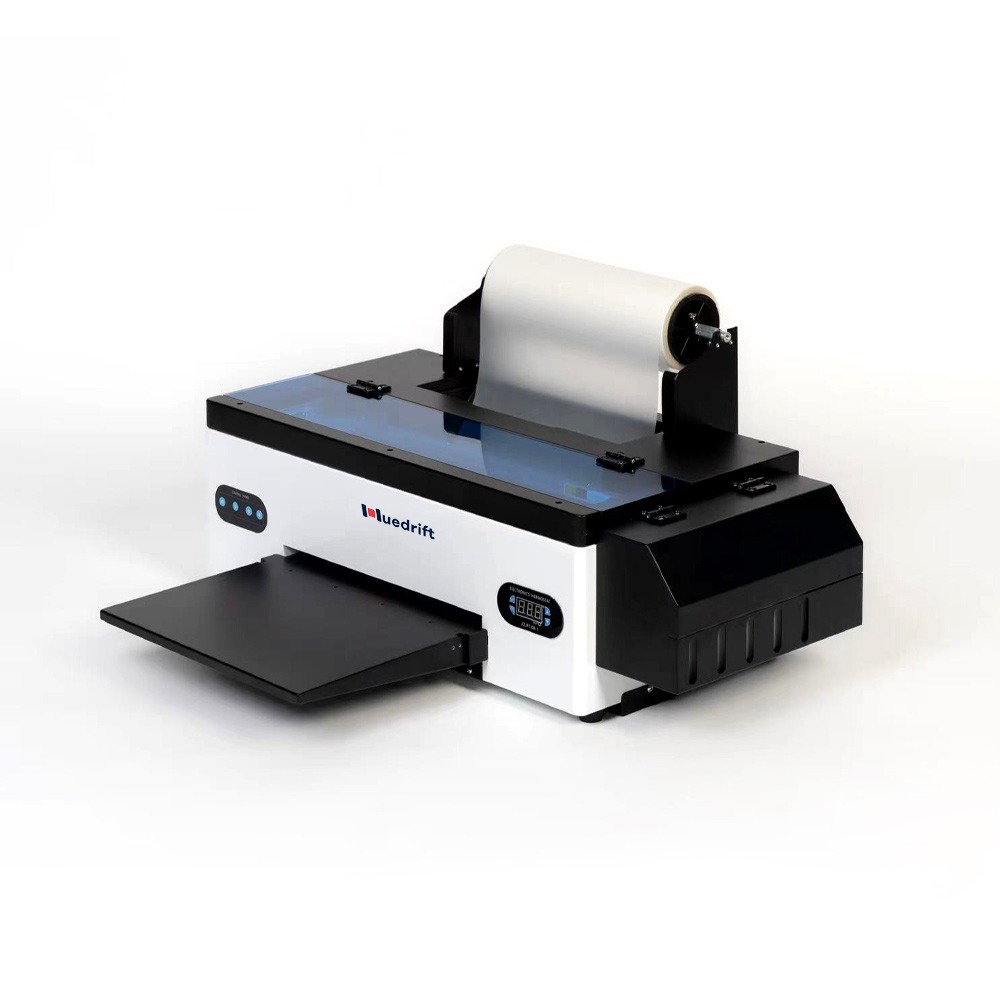
If you are going to start or even a custom T-shirt business or just want to be able to wear your designs printed on a shirt, the selection of a proper shirt printing method could have a tremendous impact on the quality, durability, and price. The old screen printing and sublimation continue to be among the best methods alongside the latest DTF technology. There are more choices than ever. Yet, despite the numerous options available, the question still arises: Which one is the best type of shirt printing?
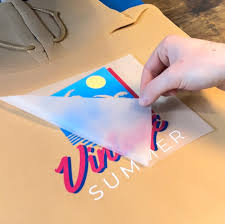
In this guide, we’ll compare the most popular printing methods and reveal why DTF printing is becoming the top choice for professionals and hobbyists alike.
1. Quest for Perfect Print
Shirt printing turned upside down the last ten years. The industry was ruled by screen printing, and other traditional methods, but the new technologies provided faster, cheaper, and versatile options for printing.
If you are a beginner in small-scale print-on-demand business or online custom apparel sales, or just want to extend your print shop’s capacity, the first thing you need to do is to pick the method that has the attributes of vibrant results, durable quality, and compatibility with various fabrics. In this regard, DTF printing is a champion.
2. Comparing the Most Popular Shirt Printing Methods
Let’s analyze the dostępne t technologies in the top shirt printing category today and what each technology has to offer in terms of uniqueness.
Screen Printing
Screen printing is a traditional method that pushes the ink through a mesh stencil onto the fabric. Vivid colors last on the fabric and it is perfect for printing in bulk. Setting it up can be time-consuming though, and thus, it’s not cost-effective for small runs or for multi-color designs.
Pros: Very bright, long-lasting colors, and great for mass production
Cons: Setting up costs are high, detail is limited, not very efficient for small batches
Heat Transfer Vinyl (HTV)
HTV is the type of printing which uses sheets of colored vinyl that look like they are cut and heat-pressed on the fabric. It is very easy and cheap for small designs but the prints may crack or peel after washes. Furthermore, this method cannot handle fine details and gradients.
Pros: Easy start, great for mini projects
Cons: Not long-lasting, limited color options
Sublimation Printing
Sublimation printing penetrates dye into the polyester fibers thus resulting in colorful and durable prints. However, it is only applicable to light-colored polyester fabrics which makes it impractical for cotton or dark garments.
Pros: Bright, permanent colors
Cons: Limited to polyester, can’t print on dark shirts
DTG Printing
DTG printing is similar to an inkjet printer on t-shirts. It delivers full-color designs with excellent detail, but the machine is costly and requires pre-treatment on cotton materials. Besides, DTG has slower production speeds.
Pros: High-resolution images, soft feel
Cons: Expensive machines, slower output, fabric limitations
DTF Printing
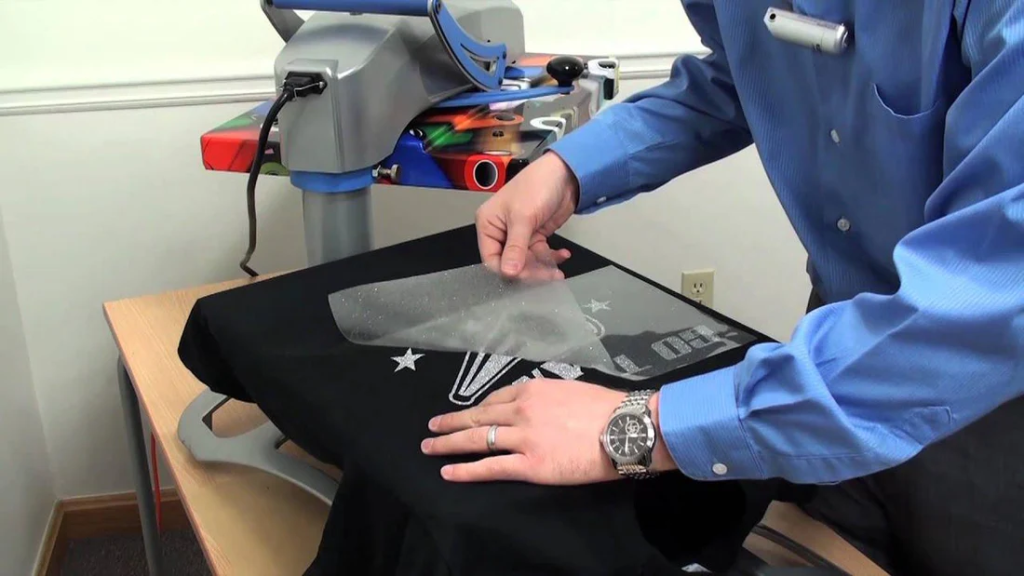
One of the latest and most diverse methods of printing is DTF printing. The entire process starts with the screen printing transfer of your design with the aid of a special ink consisting of DTF colors onto a PET (polyethylene terephthalate) film, which is then by heat and pressure transferred onto the piece of fabric. It will be virtually impossible to resist this process as it can be applied on almost any type of fabric, e.g., cotton, polyester, nylon, blends, leather, and more, all without the need for pretreatment.
Pros:
Brilliant colors with zoomed-in details
Outstanding durability (50+ washes)
No weeding and pretreatment necessary
Ideal for both small and large production
Cons: The process requires a good film and powder curing setup (which is made easy by modern DTF printers)
3. DTF Printing: The Revolution in 2025
Not long ago, DTF printing has rapidly gained recognition as a top-notch option for the decoration of modern clothing. Its easy handling, versatility, and professional output are the factors which make it suitable for the usage of both, inexperienced and skilled operators.
High-quality DTF printers are capable of producing stunning designs, logos, photos, or gradients with ease regardless of fabric type or color limitation. The prints not only feel soft but also stretch along with the fabric and their color is retained even after numerous washes.
Reasons for DTF printing popularity among businesses
Material versatility: From cotton T-shirts to polyester jerseys, denim jackets, and even tote bags, DTF takes care of such diversity of materials without any difficulties.
Economical production: Expensive screens and pretreatment chemicals are not necessary. Printing of a single shirt or of a hundred can still be done in a profitable manner.
Quick delivery: printing, transfer, and delivery. DTF time reduction during setup allows you to quickly respond to your customer’s needs.
Large profit margins: Since it caters to both bulk and custom orders, DTF printing will help you to be more productive and reap more returns on your investment.
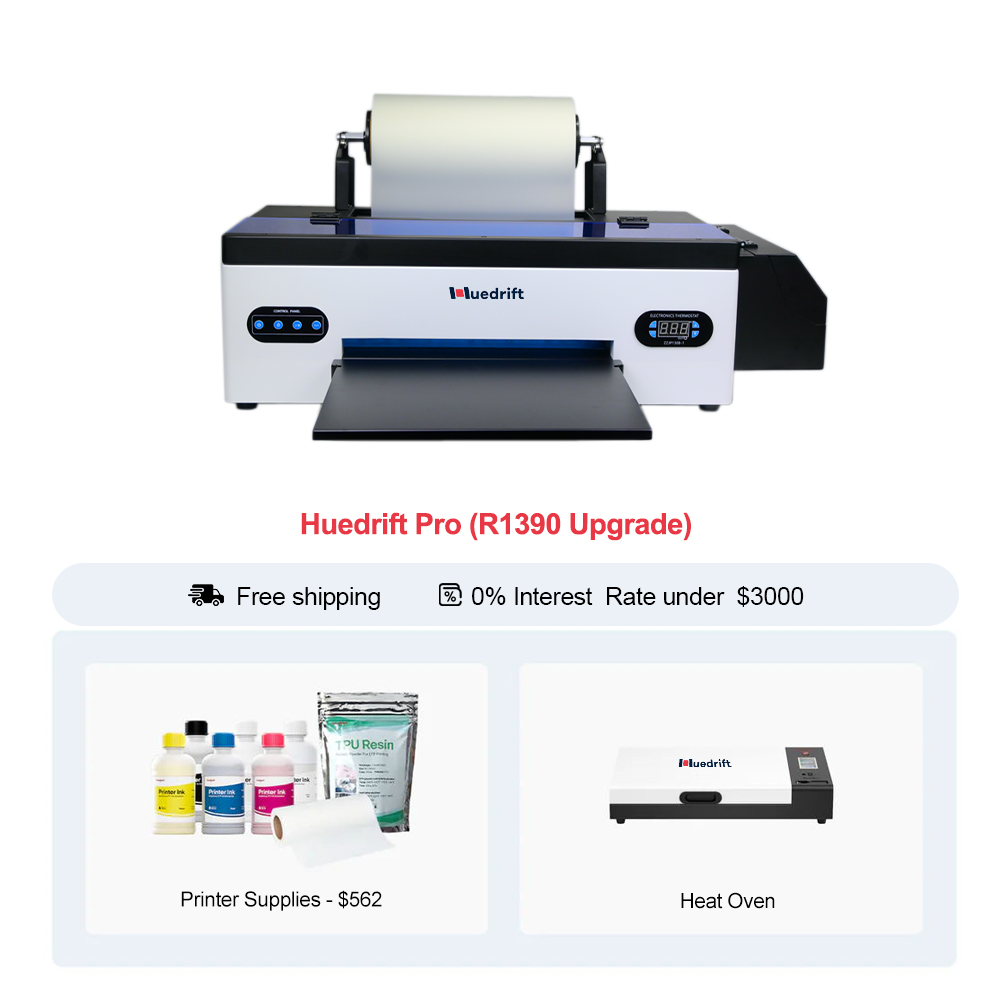
As a tip: A DTF printer such as R1390 DTF Printer can yield over 100 first-rate transfers daily—just what is needed to expand your custom T-shirt business while keeping the overheads low.
4. DTF Printing in Applications
DTF printing is not limited to just T-shirts. It is a distinctive process that is becoming more widely adopted by businesses in producing custom apparel and promotional items.
Examples of some of the most significant applications of DTF printing include:
Custom apparel suppliers: Offer unique full-color graphics for any size of custom order — there are no limitations.
Promotional products: The logos can be printed in vibrant colors onto promotional products such as tote bags, caps, and hoodies etc.
Staff and worker clothing: The prints are so well made that they wear well both after numerous washes and heavy use.
Stores with on-demand capabilities: Full online orders can be processed and shipped very quickly and do not require retaining inventory.
To make things even better, being able to print directly onto the film and then later on to the substrate allows you to keep transfers on hand and apply as needed, which is especially helpful for priority time-sensitive or seasonal products.
5. Well then, What Type of Shirt Printing Is the Best?
Every printing method has its advantages, but if you are the one who wants the best out of quality, versatility, and economical efficiency, then DTF printing is the one that stands out as the clear victor. It’s the contemporary resolution for all the people who are serious about getting prints that are long-lasting, colorful, and professional-grade without the inconvenience of using traditional setups.
Whether you have a print-on-demand business, making custom merchandise, or growing your apparel brand, the purchasing of DTF printing will supply you with the versatility and results to expand your trading.
6. Set to Enhance Your Shirt Printing?
Then, if you want to elevate your shirt printing enterprise, now is the perfect time to get into the DTF technology. Our DTF printer is constructed for effectiveness, accuracy, and longevity — producing prints of professional quality on any fabric with each and every time.
Becoming a smarter printer begins today. Go to our website and have a look at the complete range of DTF printers, verify models, and notice how hassle-free it is to change your graphics to durable, colorful creations that your customers will adore.
In the year 2025 and later on, DTF printing will not just be another technique — it will be the future of custom apparel production.