

Recommended top-of-the-line DTF printers for T-shirt printing
The key to choosing a DTF printer is balancing print quality, speed, and ease of use. You need a printer that can meet your order volume requirements without exceeding your budget.
Here are some of the more prominent options – the terminals are suitable for different enterprise needs and sizes.
Lancelot Auto-Maintenance M1630 Pro DTF Kit
The Lancelot M1630 Pro Auto-Maintenance is a complete DTF printer suite. Its auto function automatically cleans the printhead, allowing you to perform routine maintenance on your printer.
If you prefer printing to washing, this printer is definitely a great help. It supports wide-format printing up to approximately 24 inches, so you can print multiple T-shirt designs at once.
Thanks to its reliable ink system, it produces crisp, vibrant, and highly opaque prints. If you are scaling up production and looking to reduce manual labor, this printer is the perfect choice.
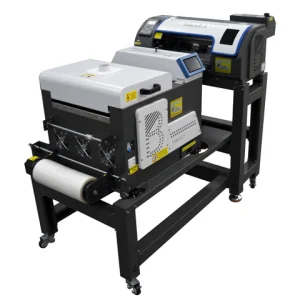
InkSonic R1390 DTF Printer
The InkSonic R1390 is a popular A3 DTF printer, especially suitable for small businesses. It boasts fast printing speeds, reliable performance, and a compact design that allows it to be easily placed in small workspaces.
It’s very simple, and the technical support setup is also very helpful—crucial for beginners. The print resolution is sharp, resulting in detailed and vibrant colors for your T-shirt designs.
If you value efficiency and accuracy, the R1390 is a good starting point. For small batch print jobs, give the R1390 DTF printer a spin.
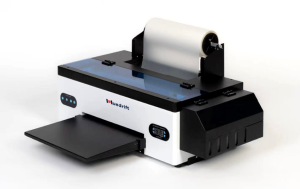
A3 L1800 DTF Printer
The Epson A3 L1800 printer utilizes Epson technology, delivering sharp and high-quality prints with minimal noise. It handles cotton and polyester fabrics with fine, vibrant colors and excellent durability.
This product line is ideal for small-batch production without sacrificing professional quality. Its affordable price and low ink and color consumption make it a worthwhile option for startups or those developing initial batches.
You can find the L1800 printer and compatible kits at the L1800 printer store .

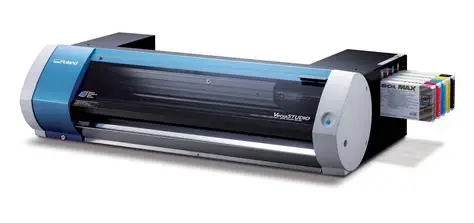
Roland BN-20D DTF Printer
The Roland BN-20D is designed for large jobs. It is an industrial-grade printer that supports roll-to-roll printing, making it ideal for high-volume production orders.
You’ll get high-resolution printing and excellent white ink layering, making your designs on T-shirts even more eye-catching. Roland’s reputation for durability and precision is well-deserved, but you’ll also need to pay a higher price for it.
If you run a commercial store and need both speed and quality, then this machine can meet your needs.
Key parameters for choosing the best DTF printer
When choosing a DTF printer for T-shirt printing, focus on detail, speed, and color. These parameters ensure sharp printing noise and help you focus on efficient production.
Print quality and resolution
Print quality is paramount. You need sharp, clear images, not blurry or pixelated ones.
Check the printer’s resolution (DPI). Pay attention to DPI gain, such as 1440 or 2880, and the scoring details. Also, note how the printer handles white ink.
DTF requires a thick white base coat to achieve a seamless finish, especially on device platforms. Pigment-based inks are more durable and less prone to cracking.
Consistency is crucial. A good printer delivers consistent print quality every time, saving materials and keeping customers satisfied.
Printing speed and productivity
Printing speed directly affects how many T-shirts you can produce per day. The faster the printing speed, the higher the sales volume and the shorter the waiting time.
Compare the number of desktop print pages allowed for different printer models. Sometimes you need to choose between speed and quality, but some printers allow you to adjust one or more settings.
A low-maintenance design helps maintain production levels. The less time required, the higher the output.
Color accuracy and color vibrancy
The printed result should be as vibrant as the original design. A good printer can control ink flow and layout to ensure accurate colors.
Machines with a wide color gamut are essential for accurately mixing those difficult-to-control shades. Pigment inks and powder curing technologies help lock in colors and enhance selection.
Color management software allows you to make adjustments before printing. This ensures your T-shirts truly achieve the results you expect.
Printer basic functions and technologies
When choosing a DTF printer, certain features are crucial. The right technology means better print quality and less hassle.
White ink circulation and mixing system
For removal, a stable white ink system structure is crucial. White ink is prone to settling and nozzle clogging if left to stand for extended periods.
A good circulation system keeps the ink flowing and prevents it from settling. A mixing system gently agitates the ink, keeping it homogeneous and ready to use.
Without these, you’ll spend more time cleaning than printing, and white floors may look mottled and uneven.
Printhead and six-color ink system
High-end printheads can output sharp images at 1200 dpi or higher resolution, making them ideal for complex designs.
Many modern DTF printers use a six-color ink system. In addition to the four CMYK colors, they add other colors to achieve richer and more accurate printing results.
This combination means your designs will be displayed in vibrant colors across a variety of garments.
Automatic film cutter and roll feeder
The automatic cutting function can automatically schedule orders, saving time and effort. This function is especially time-saving if you have a large order volume.
A roll feeder allows you to print directly from single sheets of film from a roll. This maintains the workflow described above but reduces labor time.
These features are perfect if you want to increase productivity in a small studio without complicating things.
User-friendly features
User-friendly features simplify operation and reduce errors. Touchscreen control and voice interface make settings adjustments more convenient.
Self-diagnostic tools and easy maintenance can help you resolve issues faster. If you want consistent color matching but don’t want to be a tech expert, then the compatibility and automatic color planning features of RIP software are crucial.
DTF Printing Process and Materials
DTF printing uses specific materials and steps to print clear, vibrant designs onto fabrics. Understanding how these steps work smoothly is crucial.
From film to ink to hot press, every stage plays a role in creating durable printed materials .
DTF film and transfer film
DTF film is a special transparent or white polyester film. You need to print the design onto this film first—it acts as a carrier—and then print the design onto the T-shirt.
This type of film needs to be robust and flexible so that it does not deform or peel off during extreme processes. Limiting films are essentially the same, just with different names, referring to their role in extreme processes.
Quality is critical; it affects the paintability of the design and the saturation of the colors. Ensure your film width and specifications match your printer—typically 13 to 24 inches wide. Using the appropriate thickness helps prevent smudges or missing prints.
DTF ink and white ink
DTF ink is a pigment-based ink designed specifically for film. It contains four CMYK inks as well as a white ink, which is used for striking prints on clothing.
The printer first prints white ink as a base color to make other colors stand out more. Your white ink system needs to keep the ink circulating smoothly, otherwise it will become clogged.
The ink ensures that printed materials remain vibrant and retain their color even after washing. Even if you allow a patient to return, avoid staining the ink due to its quality.
Hot pressing and finishing steps
After printing on the film, wet ink is applied to the adhesive. Then, the powder is melted using a hot press or curing oven.
Next, place the film on the T-shirt and heat it again with a heat press—usually at 160-170°C (320-338°F) for 15-30 seconds. This will heat the tissue for your nap.
Mastering the appropriate temperature, pressure, and time is crucial. Improper handling can cause the print to crack or peel. Different processing methods are required for printed products to maintain good results.
Material compatibility and printing area
It is important to know which materials your DTF printer supports and its maximum print size. This will help you choose the right machine for your product and business size .
T-shirt and fabric printing capabilities
Your DTF printer should be able to print T-shirts with high quality. Most models are compatible with standard fabrics such as cotton and polyester —these are the main fabrics for casual wear.
White inks and specialized technologies enable the printer to produce vibrant prints even on the device. An advanced ink circulation system helps prevent clogging , maintaining consistent print quality even during long printing sessions or fabric changes.
Some printers can handle fine details and gradient effects, allowing you to offer more creative designs.
auxiliary materials other than cotton
Don’t focus solely on cotton fabrics—make sure your DTF printer can handle polyester, denim, leather, and blends. This allows you to expand your business into sportswear or outdoor apparel, enriching your product line .
A flexible ink system allows for printing on various materials at an additional cost, saving time. Using suitable films and adhesives, you can print patterned labels on a wide range of surfaces, providing more options for customized apparel or promotional items.
Maximum area printing and size
The area you print determines the types of products and designs you can actually make. Common print sizes? A4 (approximately 8.3 x 11.7 inches) and A3 (approximately 11.7 x 16.5 inches).
A3 printers offer a larger print area, making them a better choice if you need to handle larger designs or bulk printing. A4 printers are more compact and affordable, making them ideal if you need to handle small batches of concentrated printing or fine, small-size printing.
Before choosing a print size, consider your daily printing needs and available space. Some printers are equipped with roll feeders—this allows you to print longer patterns or print multiple sheets consecutively without pausing.
Workflow, software and maintenance
The key to efficient printing lies in how to set up the software, how to maintain the printer, and what accessories to use. These details are crucial for smooth operation and consistent print quality, while also minimizing printing time.
RIP software and printer driver installation
Reliable RIP (Raster Image Processor) software is needed for color management and to achieve consistent print quality. RIP software generates printable files from your converted designs and adjusts settings such as ink line curves and white ink layers—essential for your DTF printing.
Your printer driver must be compatible with your printer model and operating system. It enables you to communicate with the printer. Please be sure to download the latest version; otherwise, it may cause your computer to crash or result in strange printing errors.
Some DTF printer setups come pre-installed with RIP software or drivers. This greatly speeds up the setup process and helps avoid errors. Don’t forget to configure the printer in the software to ensure accurate colors and voice details on the T-shirt.
Printer maintenance and care
Regular maintenance ensures your DTF printer runs smoothly. Clean the printhead, check ink levels, and run automatic maintenance programs if your printer supports them .
Look for features such as Smart Holiday Mode or Anti-Clog Technology, which prevent ink from drying in the nozzles when not printing. These features can reduce the need for manual cleaning and help prevent printhead damage .
At the same time, ensure the powder mixer and curing unit are in good working order. The stability of the binder and the correct curing method directly affect print consumption. Regularly check sensors and alarms—early detection of small problems can prevent major issues later.
The set and accessories include
When choosing a DTF printer, be sure to check what accessories are actually included in the box. Many kits include a powder mixer, dryer, curing unit, and even a film cutter—all essential tools for maintaining a smooth workflow.
Pay attention to the ink and powder included in the kit. If the kit contains both types of ink, it will save you a lot of money and time.
The integrated bracket and safety sensors included in the kit help you organize your workspace and protect your equipment. If possible, choose a kit with automation features—this will reduce manual work and increase your efficiency.
Customized T-shirt and apparel business applications
Looking to launch a slideshow or develop a custom apparel business ? You’ll need the right tools and processes to achieve your goals. Cost, design flexibility, and the type of products you want to offer will all influence your decisions regarding custom T-shirt printing.
Notes for Small Businesses and Contributing Enterprises
If you’re just starting out with DTF printers, budget and reliability are key. You’ll need a DTF printer that can handle small to medium orders at a reasonable price. Choose models that work out of the box and offer good print quality without requiring complicated setup.
An affordable printer allows you to quickly test designs and complete orders. Pay special attention to print speed and ink quality—they directly impact your profits. Also, don’t forget about space. DTF equipment comes with additional accessories such as powder mixers and curing ovens, so make sure you have enough room to accommodate them.
T-shirt design integration
DTF printing technology allows for the printing of exquisite, colorful designs on cotton, polyester, and other textile fabrics, even on dark T-shirts. Therefore, if you want to vividly represent your complex artwork, such as the Van Se logo or zoo image, on a T-shirt, it can always meet your needs.
For best results, ensure your digital design has sharp lines and vibrant colors. Frankly, some printers handle stains and darker colors better than others. Ensure your design software is compatible with your printer and always use compatible inks and films to maintain consistent print quality.
Expanding the customized clothing product line
Once you’ve got the printer set up, why only work with T-shirts? DTF printers can also handle hoodies, bags, and many other fabrics.
This will give your product line more options. Investing in printers that can handle different materials will allow you to meet a variety of customer needs.
Adding equipment like curing devices can not only speed up production but also extend the durability of prints. And frankly, offering more products beyond T-shirts is a wise move to attract a wider audience.