In the world of custom apparel, two technologies currently dominate the conversation: Direct to Film (DTF) and Sublimation. Both methods have revolutionized how we transfer designs onto fabric, but for a growing business, choosing between them is a critical decision.
If you’ve been asking yourself “Direct to Film vs Sublimation—which one is right for me?”, this guide will break down the differences and show you why Huedrift DTF printers are the superior choice for creators who refuse to be limited by their equipment.
Understanding the Core Technologies
Before diving into the comparison, let’s define the players.
Sublimation is a process where heat turns ink into gas, which then bonds with the fibers of a material. While it produces a “no-feel” result, it is scientifically limited to polyester-heavy fabrics and light-colored surfaces.
Direct to Film (DTF), but the good part of this is that outdoors will be enough dry to print a design in a special PET film, applying a Melt Adhesive Powder, and then heat-pressing on the garment. This makes for a vibrant, durable and extremely versatile transfer. As we get into the Direct to Film vs Sublimation discussion, you will be able to see that DTF provides you with a freedom option that sublimation just cannot compare to.
Fabric Compatibility: The “Any Material” Revolution
The most significant battleground in the Direct to Film vs Sublimation debate is fabric compatibility.
- Sublimation’s Limitation:Sublimation is suitable for polyester only. Attempt to sublimate on 100% cotton and the design will wash out in no time. This makes the shop owners have to refuse customers who want cotton T-shirts, canvas bags or hoodies.
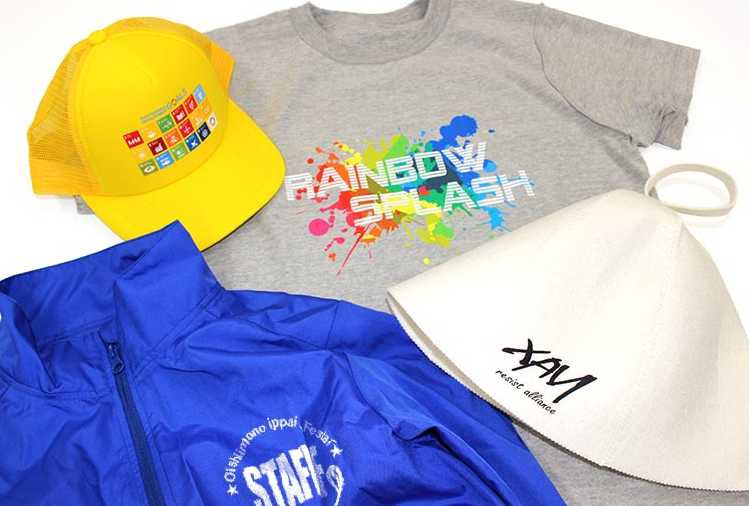
- The Huedrift Advantage: With a Huedrift DTF printer, the “material barrier” is gone. Huedrift technology is designed to work on T-shirts, hats, scarves, canvas bags, and more than 16 other fabrics.
Whether you are working with 100% cotton, nylon, polyester, or complex blends, a Huedrift printer—like the Huedrift One A3+ R1390—ensures your design sticks and stays vibrant. This versatility allows you to expand your product catalog far beyond what a sublimation setup allows.
Color Versatility: Printing on Dark Fabrics
If you’ve ever tried to sublimate on a black T-shirt, you know it’s impossible. Sublimation ink is transparent and relies on a white or light-colored background to show up.
In the Direct to Film vs Sublimation comparison, DTF wins the “color war” hands down. Huedrift DTF printers utilize a dedicated white ink layer. When you print your design, the machine lays down the CMYK colors and then covers them with a solid white base. This white layer acts as a “blocker,” allowing your colors to pop with incredible vibrancy on any garment color, including pitch black.
For a small business, being able to offer black hoodies or navy blue tote bags is essential for growth. Huedrift makes this transition easy and professional.
Durability and Quality: Built to Last
When choosing between Direct to Film vs Sublimation, you have to consider the longevity of the print.
Although sublimation has become synonymous with durability (because the ink is embedded into the fiber), Huedrift has developed DTF technology to offer a high-end experience similar to that of sublimation. The transfers created by Huedrift machines are:
- Stretchable: They don’t crack when the fabric is pulled.
- Wash-Resistant: They maintain their color and integrity through repeated laundry cycles.
- High-Precision: Huedrift printers are built for innovation and precision, ensuring that even fine lines and intricate details are transferred perfectly.
Scaling Your Business with the Right Equipment
Choosing the right machine is just as important as choosing the right technology. Huedrift offers a range of printers designed for every stage of business growth:
The Entry Level: Huedrift One A3+ R1390
For those moving away from sublimation and into the world of DTF, the Huedrift One is the best first printer. It is affordable, compact, and designed to give creators the professional results they need to start a brand.
The Professional Choice: Huedrift Pro
The Huedrift Pro A3+ R1390 offers enhanced stability for those who have a steady stream of orders and need a machine that can keep up with daily production demands.
The Production Powerhouse: Huedrift Pro Max
For fully scaled businesses, the Huedrift Pro max (A3 L1800) is the beast. It’s a purpose-built DTF printer that provides the pace and dependability needed for large-volume custom apparel stores.
Why Huedrift Over a Modified Printer?
In the search for Direct to Film vs Sublimation solutions, many people fall into the trap of buying “modified” Epson L1800 photo printers. Huedrift warns against this. Modified printers are not designed to handle the heavy white ink required for DTF, leading to frequent clogs and technical headaches.
Huedrift provides purpose-built DTF printers. These machines are designed from the ground up for this specific process. This means:
- Better ink flow and circulation.
- Fewer maintenance issues.
- A 12-month warranty for most machine components, giving you peace of mind that your investment is protected.
Support and Training: You Are Not Alone
One area where Huedrift truly dominates the Direct to Film vs Sublimation market is in customer success. Transitioning to a new technology can be daunting, which is why Huedrift provides:
- Free Lifetime Remote Support: Our dedicated tech team is always available to help you troubleshoot.
- Product Training: We offer easy-to-follow video tutorials and comprehensive resources to ensure you master your machine.
- Ease of Payment: Secure payment systems and flexible financing plans make it easier for small businesses to upgrade their equipment without financial strain.
The Logistics: Shipping and Reliability
Huedrift makes it easy to get started by offering Free Shipping within the US. This eliminates a major hidden cost often associated with heavy printing machinery. Furthermore, with our focus on high-quality components and reliable tech service, you can focus on what you do best: creating.
Conclusion: The Verdict on Direct to Film vs Sublimation
When it comes to the Direct to Film vs Sublimation argument, the answer is simple for anyone who wants to run a flexible, forward-looking garment company.
Although sublimation does have a place on light coloured polyester and hard substrates (such as mugs), DTF is the ruler of apparel. This technology enables you to print on cotton, nylon and dark colors – the skies of previously closed door.
When you choose Huedrift, you choose a system that grows with you. From the affordable Huedrift One to the powerful Pro Max, our printers are engineered to bring you innovation you can rely on.
Are you ready to bring your printing game to the next level? Take a look at the complete series of Huedrift DTF Printers & accessories now. Say goodbye to the restrictions of sublimation and start designing on any fabric, in any color with HuedriftRussel Brilliant 1500 Squeegee Blade; 10 Pack.