
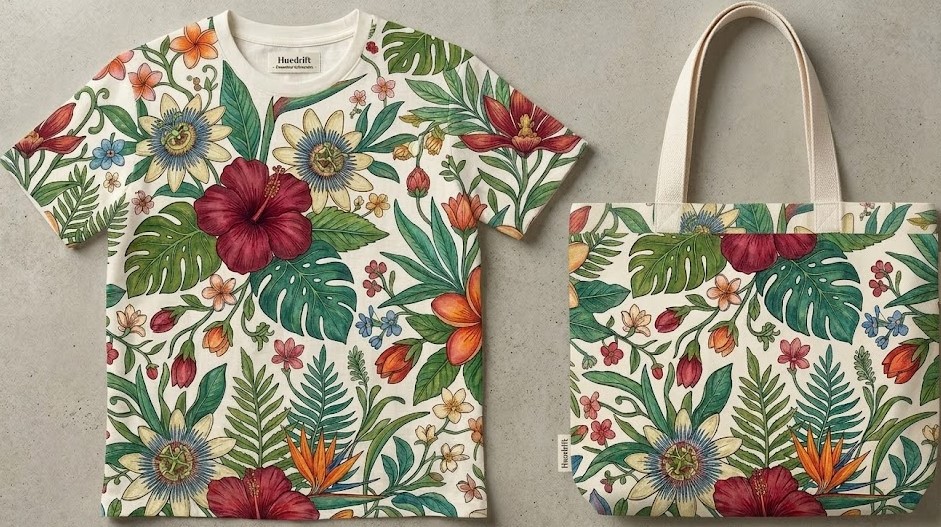
DTF Definition: Why It’s the New Standard for Custom Apparel
As the world of digital textile decoration continues to change, the DTF definition has shifted dramatically from being a mere experiment to becoming the new norm. For business owners and hobbyists alike, understanding this technology is the first step toward staying competitive in a crowded market.
But what is the realDTF definition, especially if you’re a business-oriented individual? Simply put, Direct-to-Film (DTF) is a heat transfer method where designs are printed on a special kind of transparent film, coated with adhesive powder, and then pressed onto a material.
“DTF offers a level of versatility and durability that was simply unreachable five years ago, making it the highest ROI option for modern print shops.”
Decoding the DTF Technology: What Does It Actually Mean?
If you want to know why this technology is dominating the market, then you need to understand what it means by changing the actual DTF definition through its physical application.
The Literal Meaning of Direct-to-Film
Unlike Direct-to-Garment (DTG) technology, which uses ink spray that penetrates into the fibers of a material, the DTF definition relies on a high-tech PET film as a medium. The ink does not penetrate the film; it sits ready for a total transfer.
How DTF Solves the “Dull Print” Problem
Have you ever noticed that some digital prints look “ashy” when printed on dark t-shirts? That’s because the ink is penetrating into your shirt, losing its vibrancy.
How DTF Solves It:
- In DTF, the ink sits on top of the material rather than soaking in.
- This ensures that each and every drop of ink transfers to the surface.
- Your prints maintain vibrant colors and razor-sharp details that jump off the fabric!
The 4 Pillars of the DTF Ecosystem
To really understand the definition of DTF, you have to think of it as a team effort between these four essential parts:
- The Printer: A special inkjet printer designed with a White Ink Management System to prevent clogging and sedimentation.
- Specialized Inks: A unique pigment ink set that remains flexible and stretchable even after curing.
- Adhesive Powder: This is the “glue” (usually TPU) that bonds permanently with both the ink and the fabric.
- PET Film: Also known as the “carrier.” We recommend using Double Matte film to prevent slippage during high-speed production.
Step-by-Step: From Digital Design to Finished Garment
The DTF definition is rooted in a chemical bond that ensures extreme longevity. Here is the professional DTF process:
- Digital Preparation: Create your design and use a RIP program to mirror the image. Pro Tip: If you forget this step, your text will read backwards!
- Printing: The printer prints the CMYK colors first, immediately followed by a solid white ink backing.
- Powdering and Curing: Apply the adhesive powder while the ink is wet. Cure the powder at around 150°C until it has an “orange peel” texture.
- Heat Transfer: Apply the film to the garment for 10-15 seconds. Depending on the film type, perform a hot peel or cold peel.
Why DTF is Outperforming Other Methods
While the DTF definition focuses on the film, its true value lies in its versatility compared to older tech:
- DTF vs. DTG: DTF requires zero pre-treatment, saving you time and messy chemical applications.
- DTF vs. Sublimation: DTF works on 100% cotton and dark fabrics, whereas sublimation is stuck with light polyesters.
- DTF vs. Screen Printing: DTF allows for on-demand printing with no setup costs for screens or emulsions.
Built to Last: Durability and Stretchability
A common problem with traditional transfers is cracking. Nevertheless, the newly defined DTF offers extreme durability that rivals screen printing.
- Tensile Strength: The TPU powder acts as a flexible bridge. It stretches and snaps back without cracking the print.
- Wash Fastness: DTF prints are built to withstand 50+ industrial wash cycles when applied at the correct temperature (160°C).
Frequently Asked Questions (FAQ)
Q: Is DTF printing plastic-like? A: Yes and no. While it is a layer on top of the fabric, fine-grain powder gives a much softer hand feel than earlier versions. A “second press” for 5 seconds after peeling allows the ink to penetrate the weave for a premium, soft finish.
Q: Can I use my regular printer for DTF printing? A: No. You require a printer with a white ink circulation system. White ink is heavy; without circulation, it will settle and destroy your printheads in a matter of days.
Q: Does DTF print well on leather and nylon? A: Yes! The DTF definition of versatility is unmatched. It bonds perfectly with leather, canvas, nylon, and treated polyester.
Conclusion: Redefining Your Production Limits with Huedrift
The modern DTF definition is the perfect marriage of the reliability of screen printing and the simplicity of inkjet technology. It’s no longer just a “transfer” – it’s a real, professional-grade digital solution.
Whether you are a new business or an existing shop, DTF technology offers the best ROI available in the market today! Ready to see the DTF definition in action?
Explore the latest Huedrift DTF Printer Series and start redefining your production limits today.