Quick answer
If most of your designs are under 11 inches wide and you're just getting started, go with A3 (best for up to ~200 orders/month). If you already sell large-format prints or plan to scale past 200 orders/month within a year — the 13×19 DTF printer pays for itself in time saved and jobs you won't have to turn down.
If you've been shopping for a direct-to-film printer, you've probably seen two similar but confusing size options: 13×19 DTF printer (often called A3+) and standard A3. On paper, the difference looks small — about 1.3 inches wider. But in real-world production, that extra inch changes everything.
As we tell every client at our Huedrift workshop: buying a DTF printer isn't just about today's orders — it's about the next 12 months of your business. This guide skips generic specs and gets straight to who each machine is built for, what products they handle, and how to avoid buying the wrong format.
At a glance: key specifications
| Specification | A3 DTF printer | 13×19 DTF printer |
|---|---|---|
| Max print width | 11.7 inches (297 mm) | 13 inches (330 mm) |
| Max print height | 16.5 inches (420 mm) | 19 inches (483 mm) |
| Typical machine depth | ~33 cm | ~45 cm+ |
| Ink tank capacity | Standard (100–250 ml) | High-capacity (up to 1,000 ml) |
| Entry price range | Under $2,000 | $2,500–$4,000+ |
| Recommended monthly volume | Up to ~200 orders/mo | 200–500+ orders/mo |
| Best for | Beginners, small shops, backups | Growing businesses, large designs |
Who is each printer built for?
Scale upThe 13×19 DTF printer
A 13×19 DTF printer is not simply a "bigger A3." It's a dedicated production tool for businesses that have moved beyond the hobby stage.
You already have repeat customers and orders are increasing month over month. One apparel shop in Austin upgraded to a 13×19 DTF printer after their A3 couldn't keep up with 50+ daily orders — the owner reported print time per batch dropped by roughly 25%.
You create large, bold designs for hoodies, jackets, or home decor and love panel-printing to maximize every DTF print cycle. Pro tip: leave a 0.5-inch gap between designs when panel-printing to avoid ink bleeding.
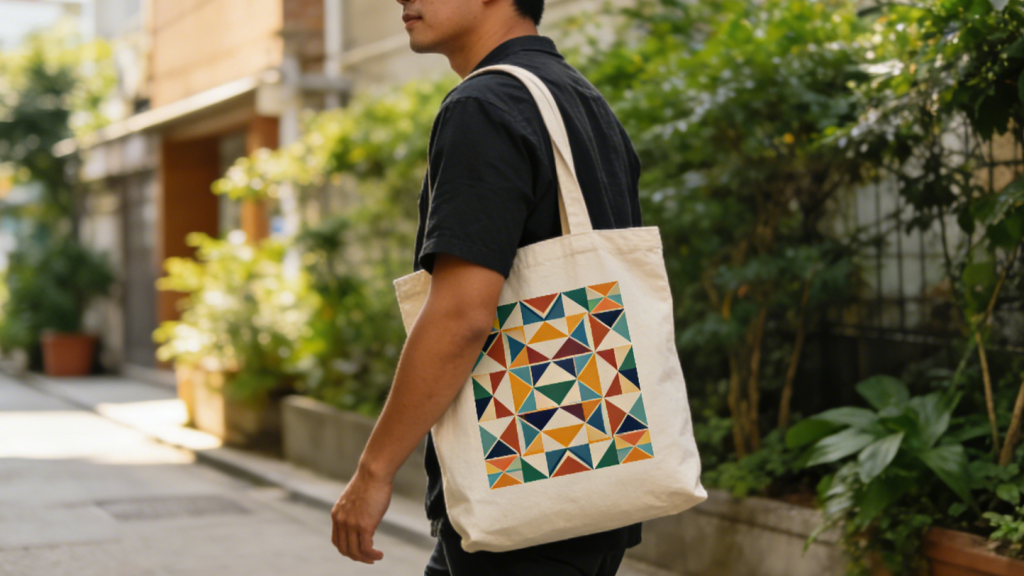
Client example: Lisa (name changed) in Chicago uses her 13×19 DTF printer to produce 200+ wedding tote bags per week. By fitting 4 designs per film, she reduced material costs by approximately 30%.
Most 13×19 DTF printer models support high-capacity ink tanks (up to 1,000 ml), so you won't stop mid-batch to refill — a major advantage when scaling past 200 orders/month.
Start smartThe A3 DTF printer
Standard A3 DTF printers are smaller, lighter, and more affordable — the right tool for a different set of users.
Validate demand before committing to a $4,000+ setup. Most entry-level A3 DTF printers start under $2,000 and work with standard 110 gsm PET film — a low-risk way to learn the workflow.
Your workbench doubles as a dining table. A3 DTF machines are compact (~33 cm deep). Setup tip: keep the printer at least 6 inches from walls to prevent overheating.
Your bestsellers are small logos, name tags, monograms, or patches — rarely wider than 10 inches. An A3 DTF printer handles that perfectly with no wasted film or ink.
You already own a large-format DTF printer. Several of our bigger shop clients use an A3 to test new ink colors before committing to full batches — saving hundreds in wasted film and ink.
Product type comparison
Which products fit comfortably on each format? Here's the honest breakdown:
| Product type | A3 DTF | 13×19 | Recommended | Notes |
|---|---|---|---|---|
| Standard chest print (M/L adult tee) | ✅ | ✅ | A3 | Most designs ≤11″ wide |
| Full-front design (XL/XXL adult tee) | ⚠️ | ✅ | 13×19 | A3 max 11.7″ may force scaling down |
| Large hoodie front / full back | ❌ | ✅ | 13×19 | Oversized trend needs extra width |
| Kids' apparel & logo patches | ✅ | ✅ | A3 | Smaller garments; save on film cost |
| Multi-design panel printing (4–6 logos) | ⚠️ | ✅ | 13×19 | More real estate per print cycle |
| Hats, socks, cuffs, pockets | ✅ | ✅ | A3 | Narrow items; A3 fits multiple per sheet |
| Tote bags & apron fronts | ⚠️ | ✅ | 13×19 | Odd shapes benefit from extra margin |
| Entry-level custom event tees | ✅ | ✅ | A3 | Great starting point, lower cost |
✅ fits comfortably · ⚠️ possible but constrained · ❌ not recommended
Final takeaway: which size should you buy?
Don't just look at the spec sheet — look at your own order history:
- 1 If most designs are under 11 inches wide and you're just starting — go A3. Lower cost, lower risk, great learning tool for the DTF workflow.
- 2 If you sell large-format prints or plan to scale past 200 orders/month — the 13×19 DTF printer pays for itself in time saved and jobs you won't have to turn away.
- 3 Still unsure? Start with A3, master the DTF workflow, then add a 13×19 DTF printer as your second machine. Many successful Huedrift clients follow exactly this path.