
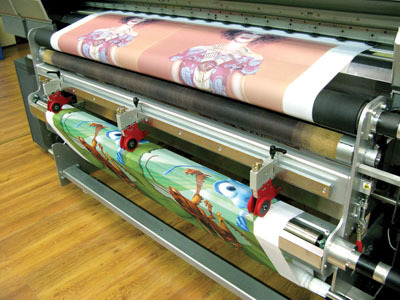
When choosing between DTF and UV DTF printing, it’s important to understand how each method works and what materials they best suit. DTF printing is ideal if you want to customize fabric items like T-shirts or bags. UV DTF, on the other hand, is designed for hard surfaces such as glass, metal, or plastic.
The key difference is that DTF uses heat and adhesive powder to transfer vibrant and flexible prints onto textiles, while UV DTF uses UV light to cure ink directly on non-porous surfaces, creating durable and glossy designs without heat. Knowing this will help you pick the right technology for your project or business needs.
You’ll find that the choice depends largely on the type of product you want to customize. If you need soft, washable designs on clothing, DTF is the way to go. But if your focus is on scratch-resistant prints for items like phone cases or tumblers, UV DTF is more suitable.
What Is DTF Printing?
DTF printing stands for Direct to Film printing. It is a method where you print your design onto a special clear film instead of directly onto fabric. This allows you to create detailed and colorful images that you can transfer later onto textiles.
After printing your design on the film, an adhesive powder is applied. This powder helps the image stick to the fabric during the transfer process. Once the powder is added, you use a heat press to apply your design onto the material. The heat melts the adhesive powder, bonding the ink firmly to the fabric.
The DTF printing process involves these key steps:
- Print the design on film using a DTF printer
- Apply the powder adhesive evenly over the printed film
- Cure the powder with gentle heat to fix it to the design
- Use a heat press to transfer the design to fabric
You can find reliable DTF printers that are made for small businesses and creators, offering options from beginner to professional levels.
DTF printing works well for a variety of fabrics and is known for producing vibrant colors with good wash durability. Because the printing happens on film first, you can print ahead of time and store designs for later use. This flexibility makes it a popular choice for custom apparel and small batch production.
What Is UV DTF Printing?
UV DTF printing stands for Ultraviolet Direct to Film printing. It uses UV-cured ink that is printed directly onto a special film with a pre-coated adhesive layer. After the ink is applied, it instantly hardens through a curing process using ultraviolet light.
This curing process locks the ink in place quickly, creating a durable and scratch-resistant transfer. The transfers made by UV DTF are often glossy and can have a 3D effect due to layers of varnish applied after printing.
You apply UV DTF transfers like regular stickers. They stick well to hard or non-flexible surfaces such as phone cases, glass, metal, acrylic, or even rounded objects.
Compared to traditional DTF, UV DTF does not require a heat press to transfer the image. This makes UV DTF printing a better choice for items that cannot endure high heat during application.
Here’s a quick look at key features:
| Feature | UV DTF Printing |
|---|---|
| Ink Type | UV-cured ink |
| Film | Pre-coated adhesive film |
| Curing Process | UV light instantly hardens ink |
| Application Surface | Hard, non-flexible items (glass, metal, plastic) |
| Transfer Application | Sticker-like; no heat press needed |
You should consider UV DTF printing if you want strong, durable prints on surfaces that don’t handle heat well. It offers excellent resistance to scratches, dishwasher, and microwave use in most cases.
DTF vs UV DTF: Key Differences
When choosing between DTF and UV DTF, the printing process is a major factor. DTF (Direct-to-Film) uses a heat transfer method where designs are printed on a film, coated with powder, and then heat-pressed onto fabric. UV DTF replaces powder and heat curing with ultraviolet light, which instantly cures the ink on the film.
This change in technology affects durability. Prints made with UV DTF tend to be more durable and resistant to fading and wear because the UV light locks the ink quickly. With DTF, the prints remain strong but may not last as long under harsh conditions.
Color vibrancy is also different. UV DTF typically delivers sharper details and more vibrant colors due to the quick curing of specialized UV inks. Traditional DTF produces good colors but might lose some clarity during heat transfer.
Material compatibility is another key difference. DTF mainly works well on textiles, while UV DTF can print on a wider range of surfaces including plastics, metals, and leather. This versatility allows you to expand your product options beyond fabric items.
| Aspect | DTF (Direct-to-Film) | UV DTF (Ultraviolet Direct-to-Film) |
|---|---|---|
| Printing Process | Powder application + heat press | UV light curing on film |
| Durability | Durable prints, suited for textiles | Higher durability with better resistance |
| Color Vibrancy | Good, vibrant colors | Sharper details, expanded color range |
| Material Compatibility | Primarily fabrics | Wide range: fabrics, plastics, metals, leather |
When to Choose DTF
DTF printing is best when your main focus is garment and textile printing. It works well for creating vibrant, colorful designs on fabrics like cotton, polyester, and blends. The process is cost-effective and ideal if you want to handle smaller batches or startups with lower upfront costs.
Recommended Printers
If you are starting with fabric printing or running a small apparel business, consider reliable DTF printers that offer precision and support. The Huedrift One DTF Printer is a great entry-level option, perfect for smaller prints and flexible use on various textiles.

For larger volume or more detailed fabric work, the Huedrift Pro Max DTF Printer offers wider printing width and better speed without sacrificing quality. It’s designed for those needing consistent, vibrant prints on garments.

The Huedrift Pro DTF Printer balances between entry-level and professional needs, providing versatility for different fabric types and batch sizes. These printers help you keep costs low while delivering sharp textile prints.

Huedrift Pro Max DTF Printer 13″ A3 L1800
Tired of clogged nozzles, faded colors, and wasted time on unreliable printers? The HueDrift Pro Max DTF Printer 13" A3 L1800 is built to solve those frustrations. Perfect for creators, studios, and small businesses, it delivers the vibrant, long‑lasting prints your customers expect—without the headaches. With upgraded precision engineering and easy‑to‑use controls, this DTF printer ensures smooth operation, consistent transfers, and professional results on a wide variety of fabrics. Finally, you can focus on growing your business instead of fixing your printer.

When to Choose UV DTF
You should choose UV DTF when you need to print on hard, rigid surfaces. This method works well for items like phone cases, tumblers, water bottles, and license plates. These materials do not flex or stretch, so UV DTF’s durability suits them better.
If your project requires prints that can resist scratching, fading, or exposure to sunlight, UV DTF is a good option. The UV inks used in UV DTF printing cure quickly under UV light, creating a strong bond that lasts longer on non-fabric materials.
UV DTF printers are designed to handle a wider range of surfaces beyond textiles. This added versatility helps if your business wants to offer a variety of products. For example, you can print on plastic, metal, glass, and other hard substrates.
However, UV DTF equipment and supplies tend to cost more than standard DTF setups. You should consider UV DTF if durability and the ability to print on rigid items are important to your work.
| UV DTF Best Use Cases | Examples |
|---|---|
| Printing on hard surfaces | Phone cases, tumblers, bottles |
| Producing durable designs | Scratch-resistant, fade-proof |
| Expanding product options | Metal, glass, plastic substrates |
Use UV DTF printing if your projects go beyond textiles and require long-lasting results on firm materials.
Which Is Right for Your Business?
Choosing between DTF and UV DTF depends on your specific business goals and budget.
If you focus mainly on textile printing and need a cost-effective solution, traditional DTF is a good fit. It has lower startup costs and works well with various fabric types, making it ideal for small batches and startups.
On the other hand, if your business needs to print on a wider range of materials—like plastics, metals, or glass—then UV DTF is the better choice. It offers stronger durability and faster curing times, which can improve production speed for larger or more diverse product lines.
Keep in mind that UV DTF requires a higher initial investment in equipment. However, this can be offset by the ability to offer more product variety and long-lasting prints that resist fading and scratches.
Here’s a quick comparison to help you decide:
| Feature | DTF | UV DTF |
|---|---|---|
| Cost | Lower startup costs | Higher initial investment |
| Material Options | Mainly fabrics | Fabrics + rigid surfaces |
| Durability | Good for textiles | Superior, resists damage |
| Speed | Standard curing time | Faster UV curing |
| Best for | Small batches, apparel | Diverse products, durability |
Consider your product range, production volume, and budget. These factors will guide you to the right printing method for your business.
Conclusion
Choosing between DTF and UV DTF depends on your specific needs and fabric types. If you work mostly with natural fibers like cotton, traditional DTF offers solid durability and reliable color results.
UV DTF excels on synthetic and coated fabrics. It cures quickly with UV light, allowing faster production and sharper colors on light or white surfaces. This can reduce handling time and improve throughput.
Consider the equipment costs and maintenance. UV DTF requires investment in UV lamps and ventilation, while traditional DTF uses heat presses and adhesive powders.
Here’s a simple comparison to help guide your choice:
| Aspect | DTF | UV DTF |
|---|---|---|
| Fabric best for | Cotton, blends | Synthetics, coated fabrics |
| Color vibrancy | Strong with pre-treatment | High, especially on light fabrics |
| Durability | Proven over time on natural fibers | Good with proper curing and topcoats |
| Production speed | Moderate | Faster due to rapid curing |
| Equipment & cost | Lower initial cost | Higher initial investment |
You may also want to test both methods for your substrates. Sometimes, blending both in your workflow fits best depending on fabric and order size.
Your final choice should balance color fidelity, durability, production speed, and equipment budget to fit your business goals.
Frequently Asked Questions
You will learn about how UV DTF printing differs from sublimation, the costs compared to traditional printers, and the application process for UV DTF transfers. The section also covers suitable fabrics, print quality and durability, and material limitations.
What are the differences between UV DTF printing and sublimation printing?
UV DTF uses UV-curable inks and prints on an adhesive film, which then transfers to hard or flexible surfaces. Sublimation printing uses heat to turn dye into gas and bonds it with polyester fibers for a softer feel.
Sublimation works best on 100% polyester fabrics and hard surfaces coated for sublimation. UV DTF is better for rigid items like glass, metal, or plastic, and does not require polyester.
How does the cost of a UV DTF printer compare to traditional printing methods?
UV DTF printers generally cost more upfront than traditional DTF or screen printers. The inks and equipment for UV curing add to the expense.
However, UV DTF speeds up drying time and reduces the need for additional materials like adhesive powder, which can save time in your workflow.
What is the process for applying UV DTF transfers onto materials?
First, a design is printed directly onto a special adhesive film using a UV printer. The UV light instantly cures the ink.
You then apply a transfer film and peel the design from the back. The transfer sticks to the surface by pressure, so no heat press is necessary.
What types of fabrics are suitable for UV DTF transfer applications?
UV DTF is mostly intended for hard, non-porous surfaces like glass, wood, metal, and plastic.
It is less ideal for flexible fabrics because the cured ink can be stiff and less breathable. For textile printing, traditional DTF or sublimation is generally better.
What are the durability and quality aspects of prints produced by UV DTF technology?
UV DTF prints are highly durable. They resist scratches, water, and UV exposure well.
The cured ink provides sharp details and vibrant colors with a glossy or matte raised finish, making prints long-lasting and visually distinct on hard surfaces.
Are there any material limitations to consider when using UV DTF printers?
UV DTF printing works best on smooth, rigid materials. Porous or stretchable fabrics do not hold the ink well because the cured coating is less flexible.
The stiffness of UV-cured prints makes this method unsuitable for soft textile applications where fabric flexibility and comfort matter.