
Understanding DTF Printing Technology
DTF printing is transforming how businesses create custom apparel and merchandise. This innovative technology makes professional-quality printing accessible to small businesses, entrepreneurs, and hobbyists who previously couldn’t afford traditional printing equipment. Understanding what DTF means and how it works helps you evaluate whether this technology suits your creative or business needs.
The growing popularity ofDTF printing stems from its versatility, affordability, and user-friendly operation. Unlike older methods requiring expensive setups or technical expertise, DTF technology delivers professional results with minimal learning curves. Whether you’re launching a custom apparel business or exploring creative hobbies, knowing how DTF works empowers better equipment decisions.
Define DTF: The Basic Definition
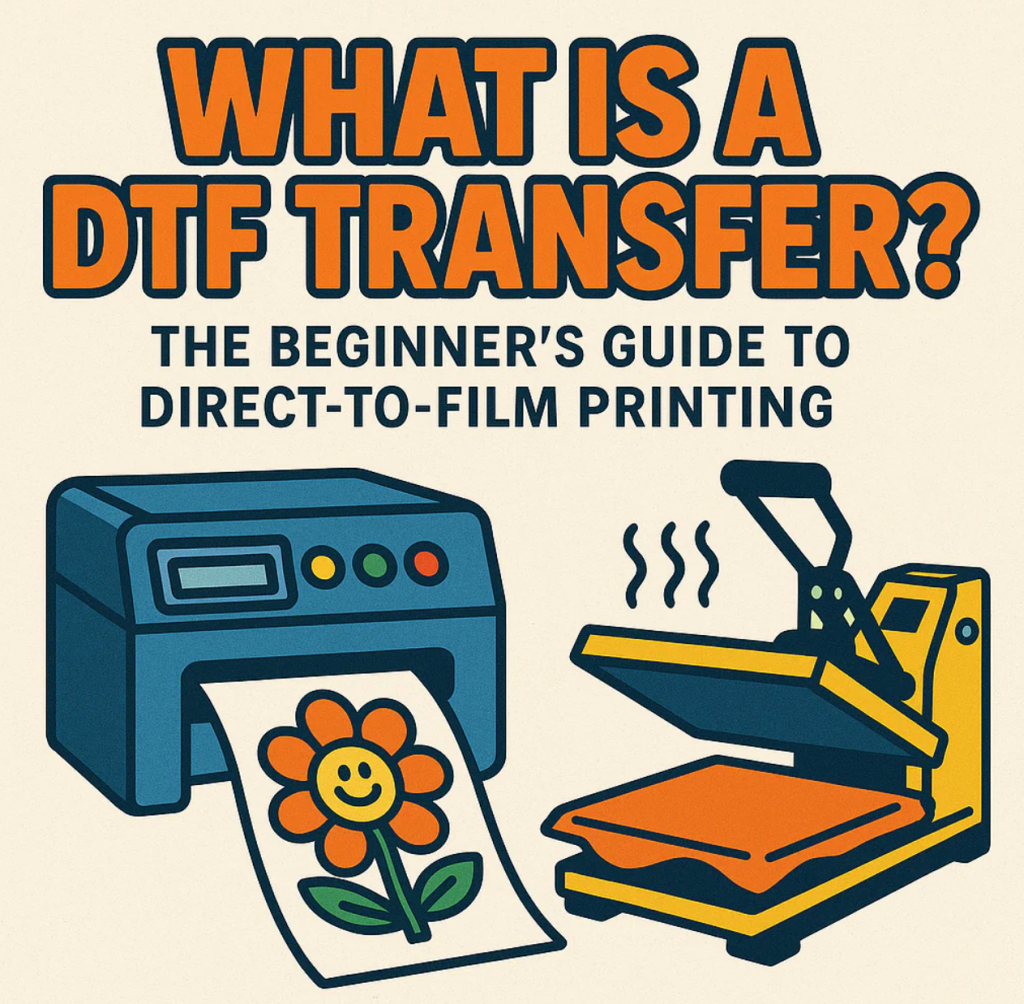
DTF stands for Direct-to-Film, a printing method that transfers designs from special film onto fabric using heat and pressure. The name “direct-to-film” describes how printers apply ink directly onto transfer film rather than printing directly on garments. This intermediate film stage gives DTF unique advantages over methods like direct-to-garment printing.
The technology developed as manufacturers sought printing solutions combining the versatility of heat transfers with the quality of direct printing. DTF emerged as the perfect balance—producing vibrant, durable prints on virtually any fabric without pre-treatment chemicals or complex processes that complicate other methods.
The Complete DTF Printing Process Explained
DTF printing involves four essential steps that work together creating professional transfers. Understanding each stage helps you appreciate why DTF produces superior results and why equipment quality matters significantly.
The entire process from design to finished product takes minutes rather than hours required by traditional methods. This speed advantage makes DTF ideal for on-demand production, custom orders, and businesses serving customers who need quick turnaround. Huedrift printers streamline these steps through thoughtful engineering and user-friendly design.
Step One: Printing the Design onto Transfer Film
The process begins with printing your design onto special DTF transfer film using a DTF printer like Huedrift models. The printer first applies a white ink layer providing opacity and color vibrancy, especially crucial for printing on dark fabrics. Then CMYK color inks create your design with the detail and accuracy that makes DTF prints look professional.
Print resolution determines final quality—higher resolution produces sharper details and smoother color gradients. Huedrift printers deliver consistent resolution ensuring your designs translate beautifully from screen to fabric. Design file preparation requires basic graphics software, though many users successfully print with simple programs.
Step Two: Applying Adhesive Powder
Immediately after printing, hot melt adhesive powder is applied across the entire printed surface. This powder makes the transfer stick to fabric during heat pressing. The powder application happens while ink remains wet, allowing powder particles to embed into the ink layer.
Excess powder gets shaken off, leaving powder only where ink was printed. This selective adhesion means powder doesn’t waste on non-printed areas. Automatic powder application systems in advanced DTF setups ensure consistent coverage, while manual methods work perfectly well for smaller operations. Powder particle size affects adhesion quality—finer powders generally produce smoother, more flexible transfers.
Step Three: Curing and Melting the Powder
Curing transforms the powder from loose particles into a solid adhesive layer. The printed film passes through heat—either conveyor ovens, heat tunnels, or curing stations—melting the powder and bonding it to the ink. Proper curing temperature and time ensure strong adhesion without damaging the film or ink.
Under-cured transfers fail to stick properly to fabric, while over-curing can make transfers brittle. Huedrift systems provide clear guidance on optimal curing parameters for consistent results. This step typically takes one to three minutes depending on equipment and settings. Properly cured transfers feel tacky to touch and show even powder distribution.
Step Four: Heat Pressing onto Fabric
The final step transfers your design from film to fabric using a heat press. Specific temperature, pressure, and time settings ensure proper adhesion. Most DTF transfers require temperatures between 300-320°F (150-160°C), moderate pressure, and 10-15 seconds pressing time, though exact settings vary by powder type and fabric.
After pressing, you either peel the film immediately (hot peel) or wait for cooling (cold peel), depending on your transfer type. The film separates cleanly, leaving your vibrant, durable design on the fabric. The result looks professional, feels comfortable, and withstands repeated washing without significant fading or cracking.
How Huedrift DTF Printers Work
Huedrift has engineered DTF printers making this technology accessible to users at every level. The Huedrift One, designed for beginners and small businesses, handles prints up to A3 size perfect for standard t-shirts, bags, and hats. User-friendly controls reduce the learning curve, while reliable ink systems ensure consistent color output and proper adhesion.
The compact design fits home studios and small workshops, eliminating the need for commercial space during startup phases. Free video tutorials guide users through each step, while lifetime remote support provides assistance when questions arise. This comprehensive approach transforms Huedrift printers from simple equipment into complete printing solutions.
For growing businesses, the Huedrift Pro offers enhanced capabilities including wider print widths and faster production speeds. The advanced ink system improves durability and vibrancy across multiple fabric types, while enhanced software compatibility streamlines workflow management. Straightforward maintenance with clear guidance minimizes downtime during busy production periods.
The Huedrift Pro Max delivers professional-grade performance for high-volume operations. Built-in curing and drying options streamline the entire transfer process, eliminating separate equipment for these critical steps. This all-in-one approach saves space, reduces complexity, and accelerates production for businesses handling substantial daily orders.
Define DTF Advantages Over Other Methods
DTF printing eliminates pre-treatment requirements that complicate direct-to-garment printing. You print on any fabric color—light, dark, or vibrant—without adjusting processes or adding preparation steps. This versatility expands your product offerings and simplifies operations significantly.
No minimum order quantities means printing single items remains as cost-effective as bulk production. This flexibility suits modern business models emphasizing customization and on-demand fulfillment. You avoid inventory investments and storage costs while serving customers seeking personalized products.
The technology works on sixteen-plus fabric types including cotton, polyester, blends, canvas, and specialty materials. This compatibility lets you diversify product lines without purchasing multiple printing systems. Whether creating apparel, accessories, or promotional items, DTF handles everything through one versatile process.
Getting Started with DTF Printing
Assessing whether DTF suits your needs starts with understanding the complete process and requirements. The technology works beautifully for custom apparel businesses, print-on-demand operations, event merchandise, and creative projects requiring professional quality without industrial complexity.
Choosing the right printer depends on your production volume, available space, and budget. The Huedrift One serves beginners and small operations perfectly, while the Pro and Pro Max models support growing and established businesses. All models include the support and training transforming novices into confident operators.
DTF Printing Defined and Demystified
DTF printing—Direct-to-Film technology—offers accessible, versatile, and professional custom printing for businesses and creatives at every level. The four-step process produces durable, vibrant designs on virtually any fabric without complex pre-treatment or expensive setup costs. Huedrift printers make this technology user-friendly through thoughtful design, comprehensive support, and reliable performance. Whether you’re exploring creative possibilities or building profitable businesses, understanding how DTF works empowers smart equipment decisions and successful printing operations.