
Starting a custom apparel or merchandise business has never been more accessible. Thanks to DTF (Direct to Film) printing technology, entrepreneurs and side hustlers can now create professional-quality designs on t-shirts, hoodies, bags, and more—without investing in expensive industrial equipment. However, one question comes up again and again:
How do you find a cheap DTF printer that’s actually worth buying?
In this guide, we’ll break down what “cheap” really means in the world of DTF printing, what features matter most for beginners, and why Huedrift DTF printers stand out as some of the best budget-friendly options for startups and growing side businesses.
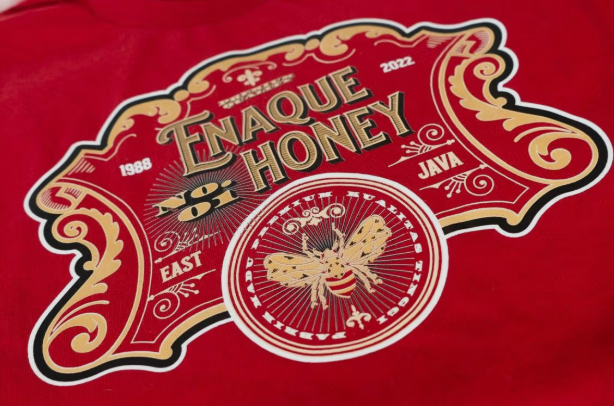
Why Budget DTF Printers Matter for Startups
For new entrepreneurs, cash flow is everything. Whether you’re launching a home-based apparel brand, running an Etsy shop, or offering custom printing services locally, large upfront investments can slow you down—or stop you altogether.
DTF printing has become popular precisely because it offers a low barrier to entry. Compared to traditional screen printing or large-format DTG systems, DTF allows you to:
- Print vibrant, full-color designs on many fabric types
- Handle short runs and one-off orders profitably
- Avoid complex setup processes
- Scale production gradually as demand grows
A budget DTF printer makes this even more attractive. The key is understanding that budget doesn’t mean low quality. When you choose the right model, you can still achieve reliable performance, consistent output, and professional-looking results.
This is where Huedrift comes in. Their DTF printers are designed with startups and small businesses in mind—balancing affordability, usability, and long-term reliability.
What Makes a DTF Printer “Cheap” Yet Valuable?
When people search for a “cheap DTF printer,” they’re not necessarily looking for the lowest possible price. Instead, they want the best value for their money.
A truly valuable budget DTF printer combines several critical factors:
Affordable Upfront Cost
For startups, the initial investment must be reasonable. Huedrift focuses on offering printers that are accessible for beginners while still being purpose-built for DTF printing—rather than modified consumer printers.
Low Maintenance Requirements
White ink management is one of the biggest challenges in DTF printing. Budget-friendly doesn’t mean constant clogging or downtime. Features like white ink circulation and automatic cleaning, which Huedrift integrates into its machines, help reduce maintenance issues and save money over time.
Good Print Quality on Multiple Fabrics
A cheap DTF printer must still deliver vivid colors, solid white ink coverage, and reliable adhesion on materials like cotton, polyester, blends, and more.
Versatile Usage
Startups often serve diverse customers. A valuable DTF printer should work well for:
- T-shirts
- Hoodies
- Tote bags
- Caps and accessories
Huedrift printers are designed to support this versatility, making them suitable for many product categories without additional equipment changes.
Best Budget DTF Printers from Huedrift
Rather than offering a one-size-fits-all solution, Huedrift provides a lineup of DTF printers tailored to different stages of business growth. This makes it easier to start small and upgrade only when necessary.
Let’s take a closer look.
Huedrift One – Best Entry-Level Budget DTF Printer
If you’re new to DTF printing, Huedrift One is designed to make your first steps simple and affordable.
Why It’s Ideal for Beginners
- Compact A3 format: Perfect for home studios and small workspaces
- Straightforward setup: No complicated installation process
- User-friendly operation: Suitable for first-time DTF users
Reliable and Low-Maintenance
Huedrift One includes white ink circulation and automatic cleaning, helping prevent clogging and reducing downtime—two common pain points for beginners.
Flexible Printing Options
- Supports both roll and sheet feeding
- Ideal for small-batch orders and custom designs
This makes it easy to handle on-demand printing without overproduction.
Perfect choice for: home-based businesses, Etsy sellers, print-on-demand startups, and creators testing the market.
Huedrift Pro – Best for Growing Small Businesses
As order volume increases, speed and workflow efficiency become more important. Huedrift Pro is a natural next step for side hustlers turning their operation into a serious business.
Improved Performance
- Enhanced printhead performance
- Smoother and more stable printing workflow
- Faster output compared to entry-level models
Professional-Grade Results
Huedrift Pro is designed to deliver consistent, high-quality transfers across various fabric types, helping small shops meet higher customer expectations.
Scalable Investment
While still budget-friendly compared to large industrial machines, Huedrift Pro offers features that support business growth—without forcing you to overspend too early.
Great for: small print shops, local custom apparel businesses, and side hustlers ready to scale production.
Huedrift Pro Max – Best for High-Volume Budget Needs
For startups experiencing strong demand or businesses with frequent orders, Huedrift Pro Max provides higher productivity while remaining cost-effective.
Designed for Efficiency
- Larger printing capacity
- Faster output to handle continuous workflows
- Built-in film cutter to streamline post-print processes
Built for Reliability
With a robust build and stable performance, Pro Max is suited for long production sessions without sacrificing print quality.
Despite its capabilities, it remains more affordable than traditional industrial DTF systems—making it an attractive option for growing businesses.
Ideal for: high-demand startups, online sellers with daily orders, and creators needing consistent, reliable output at scale.
How to Choose the Right Cheap DTF Printer for You
Choosing the best budget DTF printer isn’t about picking the cheapest model—it’s about matching the printer to your business goals.
Here are key questions to consider:
Expected Production Volume
- Occasional orders → Huedrift One
- Regular small-business orders → Huedrift Pro
- High-volume daily printing → Huedrift Pro Max
Print Size Needs
For most startups, A3 size is more than enough to handle common apparel designs without wasting film or ink.
Maintenance Preferences
Automatic cleaning and white ink circulation significantly reduce hands-on maintenance—especially valuable if you’re printing part-time.
Long-Term Costs
Think beyond the printer price. Efficient ink usage, reduced waste, and machine longevity all affect profitability.
Huedrift’s lineup makes it easy to choose a model that fits both your current budget and future growth plans.
Practical Tips for Saving Money With DTF Printing
A cheap DTF printer is only part of the equation. How you use it matters just as much.
Here are practical ways to reduce ongoing costs:
Optimize Print Layouts
Arrange multiple designs efficiently on a single film sheet to reduce waste.
Use Ink and Film Efficiently
Avoid overprinting white ink and adjust settings carefully to maintain quality without excess consumption.
Reduce Consumable Waste
Test new designs on smaller prints before full production runs.
Maintain Your Printer Properly
Regular cleaning and proper ink circulation help extend the lifespan of your machine and prevent costly repairs.
These habits make DTF printing more sustainable and profitable—especially for startups with limited margins.
Conclusion:Start Smart With the Right Budget DTF Printer
Low-cost DTF printer doesn’t mean poor quality or performance. For entrepreneurs and side hustlers, the aim is to find a printer that strikes a balance between price, usability, and scalability.
Huedrift DTF printers have been MAXIMIZED in build quality and design for this very reason. Whether you’re getting your feet wet with the Huedrift One, growing with the Huedrift Pro, or managing greater demand with the Pro Max, there’s an economical solution for every stage of your business.
By starting smart and with the right tools, you can transform your creative impulses into a successful custom printing business – without shelling out too much dough on day one.