

Choosing the right DTF printer for home use requires striking a balance between print quality, ease of use , and price. Many models feature white ink recycling systems, fast printing speeds, and software compatibility, allowing users to easily create clear and durable transfer patterns at home. The best home DTF printers combine affordability, reliable performance, and after-sales support, enabling users to create custom designs quickly and efficiently .
Users should consider factors such as printer size, noise level, and ink management system to ensure it suits their workspace and printing needs. Some models come with user-friendly software for easy multi-image printing, while others offer robust after-sales support to assist users with setup and maintenance.
For users looking for an affordable and portable home printer, printers that are budget-friendly, fast, and consume little ink stand out. Meanwhile, more advanced printers feature preheating and anti-clogging systems, improving efficiency and print quality, making them ideal for users with higher print volumes or more complex projects.
Why DTF printing is ideal for home use
DTF printing technology is flexible and easy to use, making it ideal for home use . Users can print patterns on a variety of fabrics, including cotton, polyester, and blends, without complicated setup. This versatility makes it ideal for small projects .
This technology produces vibrant, durable designs that maintain their quality even after multiple washes. This feature ensures that home users can create professional-grade products without investing in expensive equipment.
Home DTF printers are typically small and lightweight. This means they can be easily placed in small spaces and moved around as needed. Furthermore, many models operate quietly and won’t disturb the home environment.
Compared to other printing methods, DTF printers are very easy to maintain. Regular cleaning and proper ink management help keep the machine running smoothly. This ease of use makes it accessible even to users without technical skills.
Cost is another important factor. While initial investments vary, consumables such as PET film and inks are less expensive compared to traditional methods, making subsequent costs easier to control. This is crucial for hobbyists or small business entrepreneurs .
Users also benefit from increasingly comprehensive support options, such as technical assistance and easy-to-use software. These features make setup and operation simpler, allowing even beginners to get started easily.
For these reasons, DTF printing offers a practical and efficient way to create custom clothing and accessories at home.
Key features of home DTF printers
Choosing a home DTF printer requires striking a balance between size, ease of use, maintenance , speed, quality, and cost. Each factor influences how well the printer fits the home environment and meets the printing needs of both individual and small business users. Selecting the right features ensures smooth printer operation and lasting value.
Size and portability
The size of a DTF printer is crucial for home use. Compact desktop printers are better suited for spaces with limited capacity. Printers with smaller print widths, such as A4 or A3 size printers, are ideal for home offices because they take up little space but still meet most custom printing needs.
Portability is crucial if your printer needs to be moved frequently or used in different locations. A lightweight and portable machine is easier to transport. Some models also come equipped with roll feeders for continuous printing, but this may increase the printer’s footprint.
Smaller, more portable cartridge-free supertank printers are generally more popular because they combine portability with the convenience of refillable ink tanks. This design allows for a clean, space-saving installation without sacrificing printing functionality.
Ease of use
Home users benefit from printers that streamline the printing process. For example, user-friendly RIP software enables smooth image import and editing, reducing setup time. Automated features, such as white ink circulation systems, maintain a stable ink flow and prevent clogging without manual intervention.
Wireless connectivity and a user-friendly control panel allow users to operate the machine without specialized technical skills. Automated maintenance programs, including cleaning and nozzle checks, reduce manual operation and downtime. Some printers are equipped with preset modes for different fabric types for quick setup optimization.
Printers designed with ease of use in mind are more user-friendly for both beginners and professionals. Adding support resources or remote assistance services can enhance users’ confidence in effectively managing their printers.
Maintain
Maintenance is a key factor in extending the lifespan of home DTF printers. Printers equipped with an automatic white ink mixing system minimize ink buildup, helping to prevent nozzle clogging. This not only extends printhead life but also reduces the frequency of manual cleaning.
Refillable ink tanks or super ink tank systems can reduce ink costs, but require regular checks. Some models are equipped with automatic ink draw and absorption to ensure smooth ink flow and maintain print quality .
Choosing a printer with easily disassembled parts and clear maintenance instructions is crucial. Regular cleaning and timely software updates also ensure stable printer performance. Warranty and technical support options provide support in case of maintenance problems, thus enhancing the printer’s value.
Printing speed and quality
Printing speed impacts productivity and user satisfaction. For home users, printers with an A4 paper transfer time of less than three minutes are considered efficient. Models equipped with features such as roll feeders can accelerate high-volume printing and allow for longer printing times without manual intervention.
Print quality depends on resolution and ink management. A minimum print resolution of 1440 x 720 dpi is recommended for clear and accurate images. Using a white ink circulation system helps maintain color accuracy and improves the vibrancy of transferred patterns on various fabrics.
A balance between speed and quality is crucial. Some printers offer multiple modes, allowing you to prioritize either faster output speed or higher detail. Using professional RIP software can optimize print files, ensuring accurate color reproduction and sharp, clear lines.
Affordability
Home DTF printers vary widely in price, ranging from economy to high-end models. The best value option considers upfront costs, ink expenses, and maintenance needs. Printers equipped with refillable ink tanks or high-capacity ink systems can reduce subsequent ink costs.
Some reasonably priced printers come equipped with basic features such as a white ink recycling system and RIP software, improving print quality without additional cost. Printers with high cartridge replacement costs or excessive ink waste should be avoided.
Warranty coverage and technical support also affect the overall price. Investing in a printer with comprehensive after-sales service and reliable performance can avoid expensive repair costs and downtime.
Choosing an economical printer suitable for home use requires careful consideration of initial investment and long-term operating costs.
For a wide range of high-quality options suitable for garment printing, users can explore the precise and affordable DTF shirt printer.
Top-of-the-line Huedrift DTF printer for home use
Huedrift offers three main models to meet different home printing needs. Each printer balances print quality, speed, and ease of use, and supports a variety of fabrics. They differ in size, price, and features, allowing users to choose based on print volume and workspace.
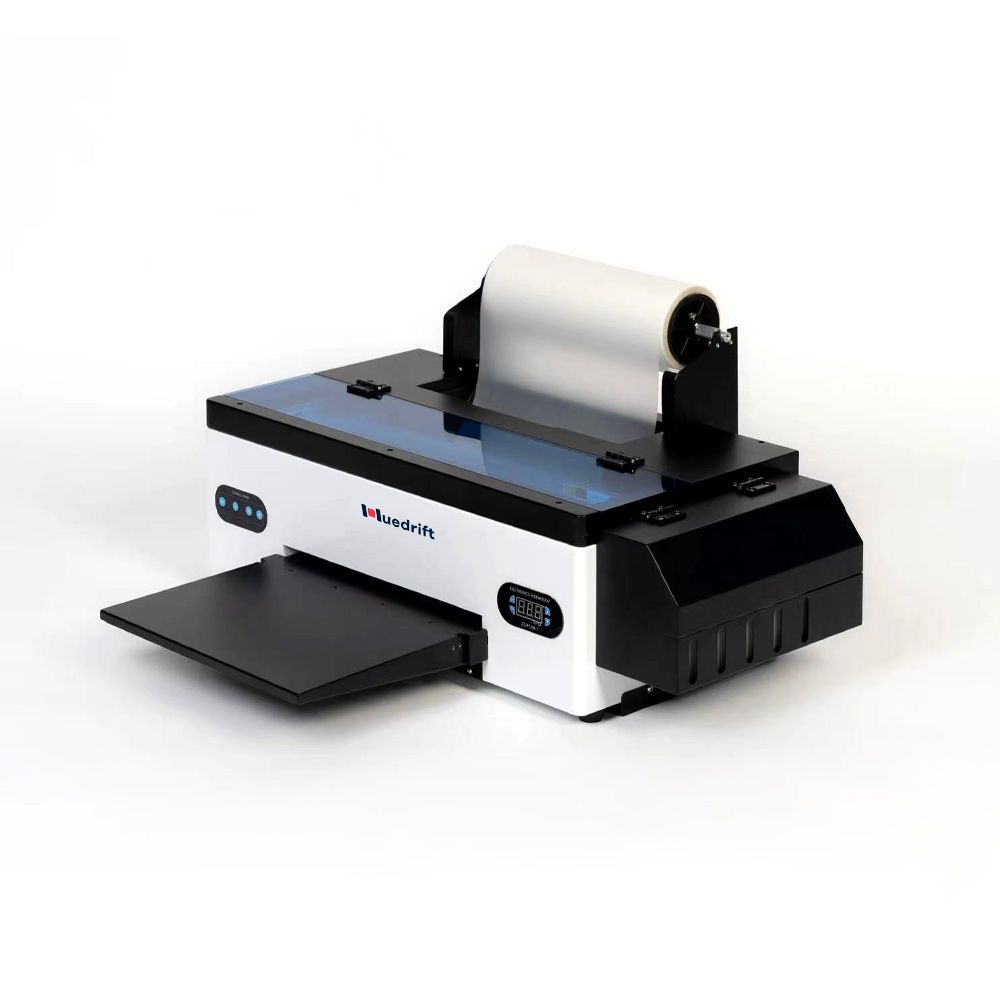
Huedrift One DTF Printer
The Huedrift One DTF printer is designed for beginners and small home projects. It prints in A3 size and is compatible with a variety of fabrics, including cotton and polyester. This model prioritizes simplicity and reliability, is easy to set up and maintain, and is ideal for DTF printing novices.
This printer uses the L1390 printing system, balancing speed and detail for sharp, clear prints. Its compact size makes it ideal for spaces with limited capacity. Low operating costs and user-friendly software also help reduce user frustration. This printer is an ideal choice for users who want personalized printing without a large upfront investment.
This is also an excellent choice for users looking for an affordable DTF printer for personal or small business use. For more information on this economical and user-friendly design, please see the DTF printer category .

Huedrift Pro DTF Printer
The Huedrift Pro DTF printer is designed to meet the higher printing needs of home users and small businesses. It retains the 13-inch A3 print size and enhances color accuracy and ink circulation for more consistent and vibrant prints on a wider range of fabrics.
The Pro model boasts faster printing speeds and optimized ink management, handling higher print volumes with less frequent maintenance. Its advanced software supports more customization options and workflow control, making it highly attractive to users familiar with DTF printing.
This printer combines professional-grade print quality with ease of use. In terms of usability and value, it is often compared to printers like the Epson EcoTank ET-2800. For more detailed information about this printer, please visit the Pro DTF printer page .

Huedrift Pro Max DTF printer
The Huedrift Pro Max DTF printer is suitable for users with ever-increasing printing needs or those who need to handle high-volume projects. It utilizes the A3 L1800 platform, known for its high resolution and reliable output. This printer supports crisp, vibrant transfers on both light and dark fabrics and employs a powerful white ink system to prevent clogging.
This printer is designed with speed and durability in mind, offering faster printing speeds and more durable print quality. It is suitable for small businesses or home users who demand professional print quality while wanting to minimize downtime.
It handles high-volume printing better than most desktop DTF printers and boasts reliability comparable to high-end models. For detailed specifications and purchasing options, please visit the Pro Max printer page .
Home DTF Printing Station Setup Tips
First, users should choose a dedicated space for their DTF printer. A clean, dust-free area of about 80 to 150 square feet is ideal. This space should be able to easily accommodate the printer, heat press, curing station, and consumables storage.
Dividing the work area into clean and messy zones is crucial . The clean zone houses the computer and printer, while the messy zone is used for applying adhesive powder and curing prints. This prevents dust and powder from contaminating the printer and prints.
Good ventilation is crucial. The curing process releases fumes and fine particles, which can affect health and print quality. Using an exhaust fan or air purifier near the curing station helps maintain safe air quality. Opening windows or using a small fan can improve overall air circulation without blowing dust onto the prints.
Maintaining stable temperature and humidity helps improve print quality. Ideally, room temperature should be kept between 20-24°C (68-75°F), and relative humidity should be around 45-55%. Too low or too high humidity can cause powder clumping or film problems.
A clear layout helps improve efficiency. Workstations are arranged in sequence: design and printing, powder coating and curing, then hot pressing. This minimizes movement and streamlines the production process.
When handling inks and powders, it is recommended to wear personal protective equipment such as gloves and masks. Properly storing materials in sealed containers can protect their quality and prevent hazards.
Creative DTF Printing You Can Do at Home
Using a DTF printer at home opens up many creative possibilities. One popular project is T-shirt printing . With the help of DTF ink, DTF film, and DTF powder, users can create beautiful and colorful designs. After printing the design onto the film and applying adhesive powder, a heat press is used to transfer the image onto the fabric.
Tote bags are also a good option. They have a sturdy surface, are easy to heat transfer print on, and can be customized with logos, patterns, or artwork. Many people prefer cotton or canvas bags because they are easy to print on and durable.
Small accessories like hats or pillowcases are also suitable. Appropriate DTF stock and a reliable heat transfer machine ensure clear and durable prints on these items. Users should ensure that the heat press settings are adjusted for each type of fabric.
For home décor enthusiasts, custom-made pillowcases or table runners are highly appealing options. These projects highlight the versatility of DTF technology and allow for the addition of creatively personalized elements.
Beginners can start with simple patterns and fabrics, and then try more complex pieces or different materials. Practicing with scraps helps in mastering temperature, pressure, and time, resulting in cleaner and more vibrant effects.
Overview of common DTF items for home use:
| Project Type | Key materials | notes |
|---|---|---|
| t-shirt | DTF inks, DTF films, powders | Popular and versatile |
| tote bag | Cotton/canvas fabric | Durable and easy to customize |
| Hats and accessories | Professional fabrics, supplied by DTF | The hot press needs adjustment. |
| Home Decor | Pillowcases, table runners | Creative and distinctive |
Using these methods, home users can make the most of their DTF devices.
In conclusion
Choosing the right DTF printer for your home depends on several important factors. Each printer comes with different features to meet different needs and budgets.
For users seeking affordability and ease of use, compact printers like the Procolored A4 DTF L805 offer a good balance of print quality and portability, making them an ideal choice for beginners or users printing in small batches.
Users who prioritize print quality and versatility may prefer the DSV DTF A3 L1800 printer . It features a white ink recycling system and supports a variety of fabrics, making it suitable for a wide range of projects.
Users requiring advanced features and greater efficiency typically choose the PUNEHOD L1800 DTF thermal transfer printer . Its upgraded roll feeder and automated ink supply system improve the printing process and reduce maintenance needs.
Key factors to consider include:
- Print resolution and speed
- Ink and software compatibility
- Size and noise level
- Warranty and Customer Support
Understanding these details helps users choose a printer that suits their specific needs, and also helps them control costs and achieve consistent printing results.
A well-chosen DTF printer can efficiently support home office or personal projects. It enables users to easily create high-quality, custom transfer patterns on a variety of fabrics.