360 Sublimation Printing Knee High Socks: Tips & Profit Guide
Last September I was sitting at the front counter of a community print shop in Texas with my long-time client Marcus (a pseudonym, owner of a 4-year-old sublimation studio). A varsity high-school basketball coach walked in with a clipboard and a clear ask: 80 pairs of custom knee high socks — names, numbers, school colors, full wrap, two-week turnaround. Marcus exhaled, then politely declined. His factory MOQ was 500. His DTG press only handled crew length. The coach said thanks, turned, and walked out. I'll never forget Marcus's face — he had just handed roughly $1,800 of revenue to whoever the coach called next.
Sound familiar? From college soccer programs to esports rosters, athletic teams are driving an explosive demand for custom long socks — and most decorators simply can't keep up. The reason is technical: knee high socks are the toughest sock category to print well.
The surface area is huge. The fabric stretches up to 200% across the calf. Traditional flat printing leaves half the sock blank. Stretch the print on a player's leg mid-game and you see the dreaded "white burst" — cracked logos, broken numbers, faded team colors. Have you ever shipped a team order, then watched the photos come back from game day with the print already failing? That gut-punch is exactly what this guide is designed to prevent.
This guide solves the three problems athletic apparel decorators run into every season: which technology to choose, which fabric to match, and how to actually turn a profit. If you're serious about owning the team uniform market, mastering 360 sublimation printing on knee high socks is your entry ticket.
1. What Is 360 Sublimation Printing on Knee High Socks?
360 sublimation printing is a process where a custom design is printed onto special transfer paper, wrapped around a knee high sock loaded on a rotating jig, and heat-pressed at high temperature so the dye vaporizes and permanently bonds with polyester fibers — covering the entire 360-degree surface seamlessly.
Material compatibility: polyester only
This is the single most important rule before you accept any team order. 360 sublimation printing only bonds to polyester fibers. Dye sublimation is a chemical reaction between disperse dye and polyester molecules — it has nothing to grip onto in cotton, wool, or bamboo. If a coach hands you a cotton-blend sample sock, the print will look fine off the press and wash out within three cycles.
Pro tip: Always request a fabric composition tag from your sock supplier before the first run. We recommend a minimum of 85% polyester content for vibrant, stretch-resistant prints on athletic socks.
This is fundamentally different from flat printing, screen printing, or DTG. Want to know why it matters for athletic teams? Here's the core distinction:
Surface vs. fiber. Screen printing and DTG sit on top of the fabric. Sublimation chemically fuses into the fabric. That means zero hand feel, zero peeling, zero cracking — even when a midfielder slides into a tackle.
The advantages stack up fast for sports applications:
- No raised texture — players won't feel the print rubbing during long matches.
- Full color gradients — perfect for team logos with shadows, photo-realistic mascots, or fade effects.
- Wash durability — survives 50+ machine washes, which matters when uniforms cycle through laundry every game.
- Continuous wrap — sponsor logos can run from ankle to knee without seams or gaps.
For knee high socks specifically, the 360° approach is non-negotiable. A standard flat heat press only contacts one side of a tube — meaning you'd literally have to print twice and risk misalignment. A rotating jig handles the entire 40–60cm tube in a single pass.
You might be wondering: can the same setup also handle crew socks? Yes — but the reverse isn't true. Crew-only equipment can't print knee high socks. That's a hard physical limit set by chamber size, not a software setting. If you want a quick technical primer on the 360° method itself, our ultimate guide to 360 sock printing walks through the workflow step by step.
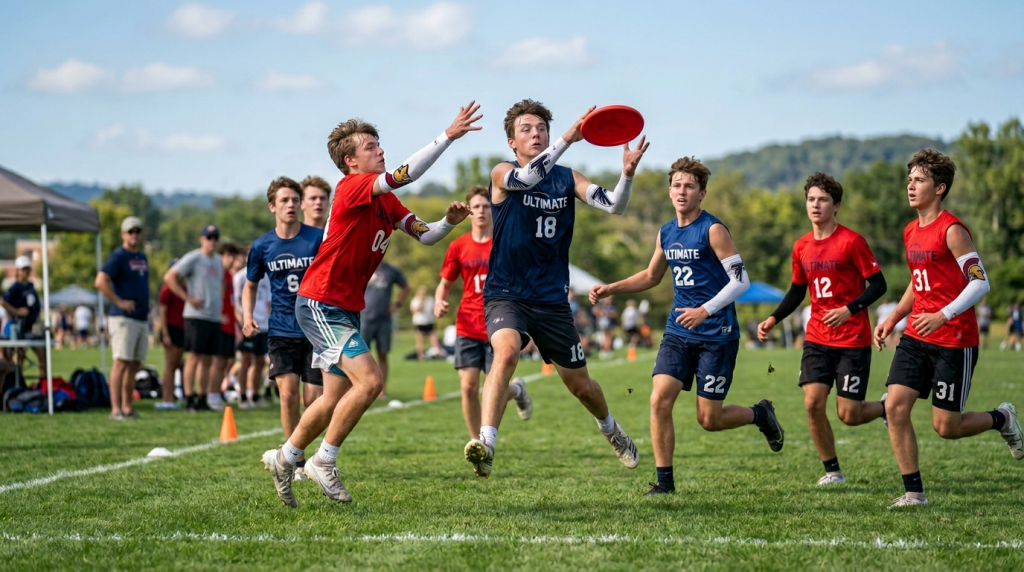
Which teams are buying custom knee high socks right now? Across our 2025 customer data, six athletic categories drive the majority of repeat orders:
1.1 Why Knee High Socks Are Different From Crew Socks
Crew socks and knee high socks may look like cousins, but from a printer's perspective they're two different animals. Athletic teams almost always require knee high or over-the-calf styles for uniform consistency, shin guard coverage, and that classic high-sock look soccer and basketball culture has owned for decades.
Three differences make knee high socks technically demanding. Take a look at how the numbers actually break down:
| Spec | Crew Sock | Knee High Sock | Over-the-Knee |
|---|---|---|---|
| Shaft length | ~15 cm | 40–50 cm | 55–65 cm |
| Calf stretch | ~120% | ~180–200% | ~200%+ |
| Printable area | 1× (baseline) | ~3.5–4× | ~4.5–5× |
| Typical retail | $8–$12 | $15–$25 | $22–$35 |
| Best use case | Casual / promo | Team uniforms | Esports, fashion |
Figures reflect HueDrift's 2025 internal benchmarking across U.S., Australia, and Canada markets.
Length and equipment requirements. A typical crew sock measures around 15cm in shaft length. A knee high sock runs 40cm or more — sometimes reaching 60cm for over-the-knee styles. Your printing chamber and curing oven must physically accommodate this length. That single requirement rules out most desktop sublimation setups designed for shorter socks.
Fabric stretch behavior. Knee high socks contain higher percentages of spandex and elastane to grip the calf without slipping. The calf section can stretch up to 200% of its relaxed width when worn by a muscular athlete. Any print technology that doesn't move with the fiber will fail visibly here. Have you ever stretched a freshly-printed sock and watched the design split? That's the test you should run on every fabric sample before accepting an order.
Brand visibility and team identity. This is where the business case gets exciting:
Last November we ran a side-by-side throughput test in our own print room: using the same Y450 360° sock printer, a knee high pair took roughly 35–40 seconds longer per print cycle than a crew pair — but sold for nearly 60% more. That ratio is the whole reason this category prints money.
That's why teams from youth leagues to professional esports rosters are willing to spend $15–$25 per pair on properly-executed custom knee high socks — when crew socks struggle to clear $10. Larger canvas + higher visibility + stronger team identity = the highest unit margin in the entire sock category.
If the fabric question is the next thing on your mind (it should be), our DTF vs DTG comparison for seamless socks covers the alternative chemistry path in detail.
Bottom line: knee high socks aren't "longer crew socks." They're a separate product category with their own technical demands and their own profit logic. The decorators who recognize this — and equip themselves with a professional 360 sock printer built for long-tube formats — are the ones winning team contracts season after season.
For shops chasing the athletic team market, mastering 360 sublimation printing on knee high socks is the entry ticket. The remaining questions are simple: which technology, which fabric, and which equipment will get you to break-even fastest. The next sections answer each one.
Ready to print the team's next game-day fit?
Book a free live demo of the Y450 360° sock printer. We'll print your design on a sample pair and ship it to you — no commitment.
Book a Y450 Demo →