

Choosing the right DTF printer for custom garment printing depends on factors such as budget, order size, and required level of detail. Direct-to-film (DTF) technology is ideal for creating vibrant, durable designs on a variety of fabrics, including cotton and polyester. A suitable DTF printer should offer quality, speed, and ease of use to meet the needs of both startups and growing businesses.
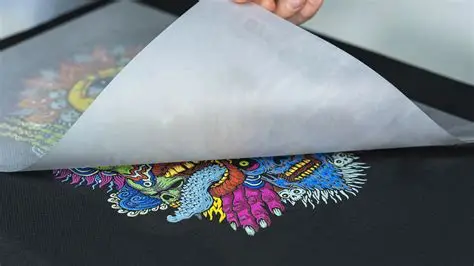
Some printers are affordable and suitable for small-volume orders; others are designed for high-volume production and professional-grade print quality. Features such as white ink recycling and ink compatibility can significantly impact print quality and efficiency. For users looking to upgrade their equipment, models equipped with powder mixers and curing ovens can save time and increase throughput.
Many businesses find the balance between cost and performance by carefully comparing different printers to meet their specific goals and benefit from it. Reliable equipment ensures consistent print quality for customized apparel, whether it’s T-shirts, hoodies, or promotional items. Users interested in learning about the best options can find detailed information on the top DTF printers that deliver professional-quality T-shirt prints with vibrant colors.
What makes a high-quality DTF printer suitable for garment printing?
A good DTF printer delivers crisp images , vibrant colors, and consistent performance while meeting the user’s workflow requirements. It must also be compatible with a wide range of fabrics and operate smoothly with minimal maintenance.
Print size and resolution
Print size is crucial and depends on the type of clothing and design dimensions. Printers with larger printing areas offer greater flexibility for larger designs, such as full-width T-shirts or hoodies. For businesses that produce multiple clothing types, printers that support at least A3 or larger printing sizes are highly useful.
Resolution directly affects the detail and sharpness of the final image. High-resolution printers (typically 1200 to 1440 dpi or higher) can output sharper, more accurate prints. This is especially important for complex logos or fine text in designs.
Color vibrancy and ink performance
Color vibrancy largely depends on the printer’s ability to print ink evenly and saturately. DTF printers with reliable white ink systems help maintain vibrant colors, especially on dark fabrics.
Ink quality affects the durability and washability of prints. Using officially certified or fully tested DTF inks ensures vibrant colors that resist fading after washing. Printers equipped with a white ink circulation system help prevent clogging and maintain color consistency throughout the printing process.
Printing speed of bulk orders
Printing speed directly impacts production efficiency, especially for businesses with high order volumes. A high-quality DTF printer balances speed and quality, delivering clear and sharp prints without long waiting times.
Printers designed specifically for DTF are generally faster than modified models. For high-volume printing jobs, machines that can print quickly and support continuous operation are the better choice. However, slower machines may be suitable for small or medium-volume printing.
Easy to maintain and reliable
Maintenance requirements can impact downtime and operating costs. Printers designed for easy printhead maintenance, equipped with automatic cleaning cycles and simple ink refill systems can save time and reduce errors.
Reliable manufacturing quality prevents frequent malfunctions. Printers equipped with routine maintenance support features, such as automatic powder mixers or curing units, help maintain stable output while reducing manual operation.
Compatibility with different fabrics
The best DTF printers can handle a wide variety of fabric types, including cotton, polyester, blends, and both dark and light-colored fabrics. This flexibility allows users to expand their product range.
Some printers work better with specific ink and film combinations, making compatibility with a wide range of materials crucial. Printers that can print efficiently without fabric pretreatment can streamline workflows and expand market opportunities.
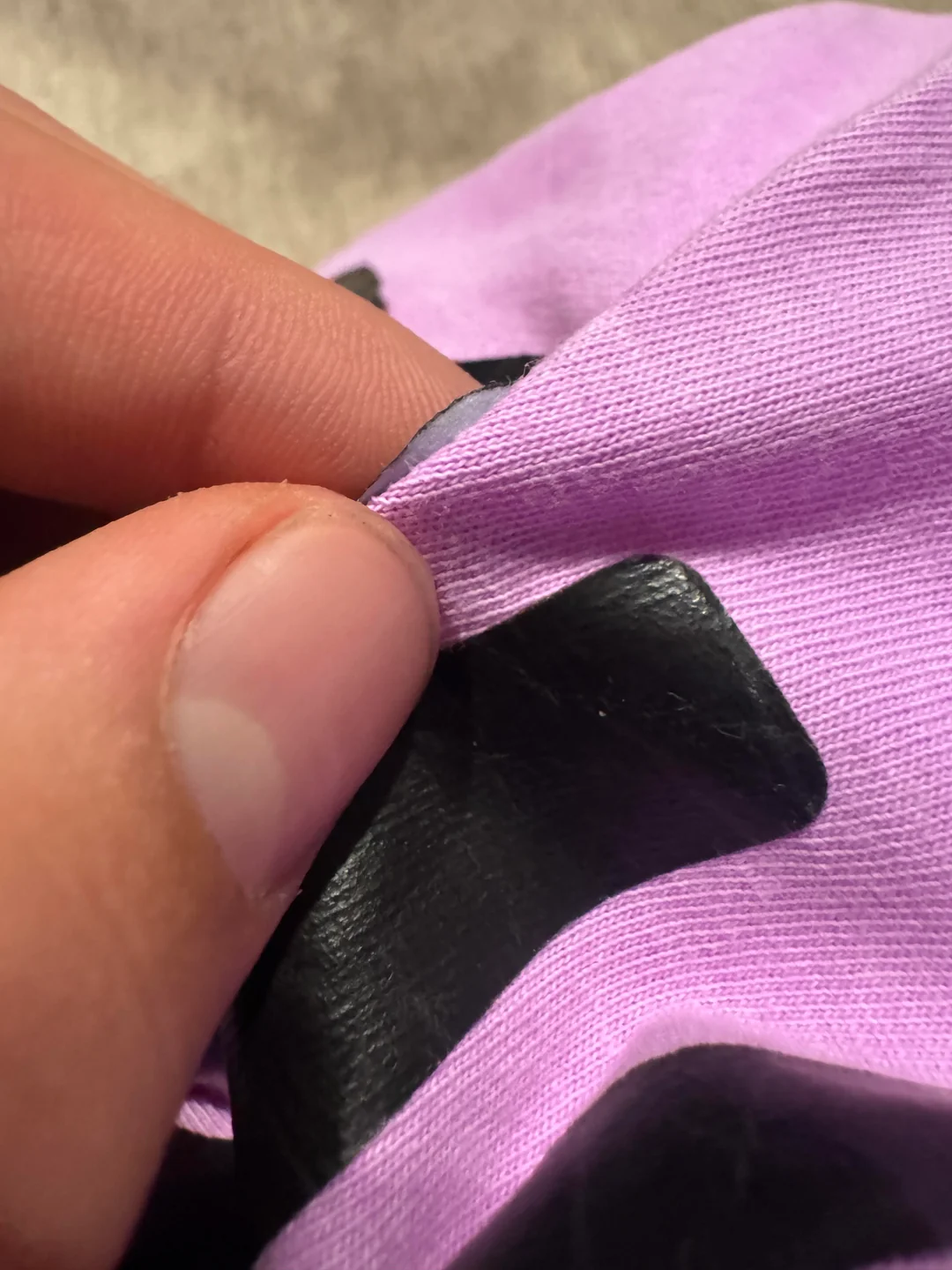
The best Huedrift DTF printer for custom garment printing
Huedrift offers three main DTF printer models, each tailored to businesses of different sizes and needs. Each model strikes a balance between quality, speed, and user experience, helping creators produce durable, vibrant prints on custom garments. All devices feature excellent technical support and ease of use.
Huedrift Pro Max DTF printer
The Huedrift Pro Max is designed for entrepreneurs and high-volume manufacturers. It boasts faster printing speeds, enabling users to complete more orders in less time. Its stable white ink circulation system helps maintain consistent print quality, reducing errors and downtime.
This model supports higher productivity, which is crucial for businesses that are increasing output. The Pro Max’s compact size makes it suitable for standard office spaces while delivering professional-grade print quality. It’s ideal for users who value efficiency without sacrificing quality.
This printer comes with easy-to-use software and comprehensive customer support, allowing you to manage your workflow with confidence. For more detailed information on this model, please visit the L1800 DTF printer store page.

Huedrift Pro DTF Printer
The Huedrift Pro is a full-featured printer that combines professional quality with a compact design. It supports A3-size printing, making it ideal for small businesses or startups looking to expand their product line.
This printer delivers reliable, crisp print quality and features a simplified setup process. It also offers customer support and training resources to help new users get started quickly. The professional model helps users expand their business while maintaining consistent output quality.
It’s a step below the Pro Max, prioritizing ease of use and reliability over maximum print volume. For more information, please see the R1390 DTF printer details.
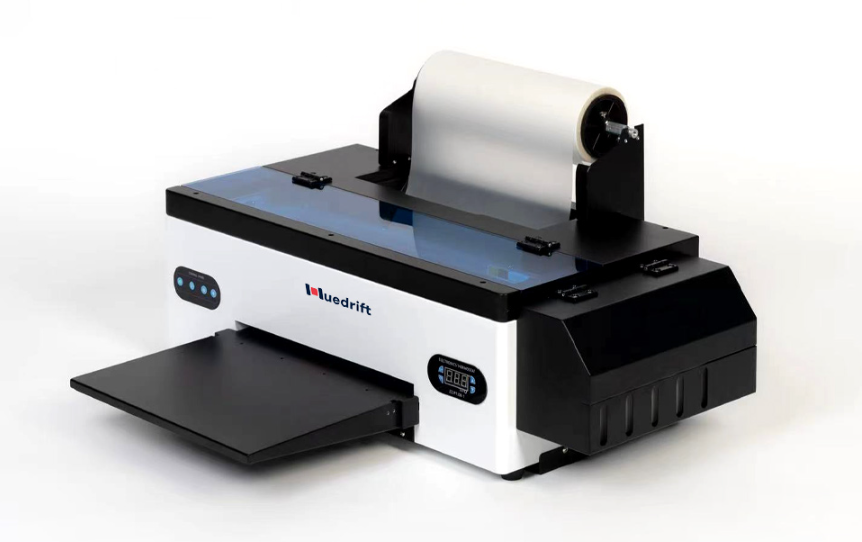
Huedrift One DTF Printer
The Huedrift One is an entry-level model targeted at beginners and users on a limited budget. It offers consistent print quality and low operating costs, making direct-to-film printing technology easy for novices to experience.
The installation process is very simple, requiring minimal technical knowledge, and comprehensive support and tutorials are provided. While production volume is lower compared to other models, it is a perfect choice for hobbyists or small, newly established custom clothing businesses.
This printer prioritizes affordability and ease of use without sacrificing key features such as print durability and vibrant colors. For more information, please visit the ” Cheapest DTF Printer” product page.

Tips for getting the best results with a Huedrift DTF printer
Achieving high-quality prints with a Huedrift DTF printer depends on careful material selection, proper printer maintenance, and correct thermopress settings. These steps help ensure vibrant colors, strong adhesion, and sharp patterns on various fabrics.
Uses high-quality PET film and hot melt powder
Using high-quality PET film is crucial for achieving sharp, clear prints. Inferior film can lead to uneven ink absorption, resulting in dull colors or incomplete transfer. Choosing a film specifically designed for DTF printing maximizes ink adhesion and print durability.
Hot melt adhesive powder must be applied evenly and consistently. Too much or too little powder can lead to peeling or insufficient adhesion. After applying the powder, shake off any excess to prevent clumping and avoid damaging the surface of the printed material.
By precisely controlling temperature and time to ensure proper curing of the hot melt powder, patterns can be firmly fixed onto the fabric. Using the officially recommended powder ensures compatibility with Huedrift inks and films, resulting in reliable results.
Maintain proper humidity and clean regularly.
Maintaining a suitable humidity level in the printing environment helps prevent drying problems and ink clogging. The ideal humidity range is typically between 40% and 60%. Too low humidity accelerates drying inside the printer, leading to nozzle clogging and decreased print quality.
Daily printhead cleaning is crucial for ensuring smooth ink flow. Neglecting this can lead to clogging and color shift. Use a manufacturer-approved cleaning kit and perform regular nozzle checks to detect problems early.
Regularly removing adhesive powder residue from the printer and work area prevents it from accumulating and interfering with machine parts. Keeping the printer clean helps extend its lifespan and maintains clear prints.
Optimize hot pressing temperature for different garment fabrics
The correct pressing temperature and time vary depending on the fabric type and directly affect the transfer quality. For cotton fabrics, set the pressing temperature to around 160-170°C (320-338°F) for about 15 seconds to ensure a strong bond without burning.
Polyester fabrics typically require lower heating temperatures, generally around 140-150°C (284-302°F), because they melt easily and overheating can cause fading. Blended fabrics, on the other hand, require an equilibrium temperature closer to 155°C (311°F).
Pressure and dwell time are also important. Medium pressure combined with the recommended temperature will create a smooth, wrinkle-free ironing finish. Testing on a scrap before the actual ironing helps to fine-tune the settings for each garment, thereby improving durability and print clarity.
Conclusion: Bring your clothing designs to life
Choosing the right DTF printer is key to producing vibrant, durable custom garments . Whether you’re a startup or a growing business, the right printer ensures quality, efficiency, and scalability.
Printers like the Epson L1800 are affordable and suitable for beginners. For those with higher printing volumes, models like the STS VJ-628D offer professional-grade speed and reliability without the need for modifications.
Important factors to consider include:
- Print quality and color accuracy
- Compatibility with DTF inks and films
- Relationship between printing speed and workload
- Easy to maintain and install
Investing in a high-quality heat press can work perfectly with a printer, ensuring a strong transfer. A compact, all-in-one unit can save time, especially when used with a powder mixer and curing oven.
A well-chosen DTF printer can handle a variety of fabrics, including cotton and polyester, as well as dark-colored fabrics, making it versatile. This flexibility helps meet evolving customer needs and expand product lines.
Users are advised to review real user reviews and consider future development needs when choosing equipment. The right tools can help them consistently produce beautiful and durable prints, thereby enhancing their bespoke apparel business.