
If you have been researching custom t-shirt printing or apparel design, you might have heard about something called DTF transfer. You might be wondering what this is all about — why it is such a big deal that all the printers are buzzing about.
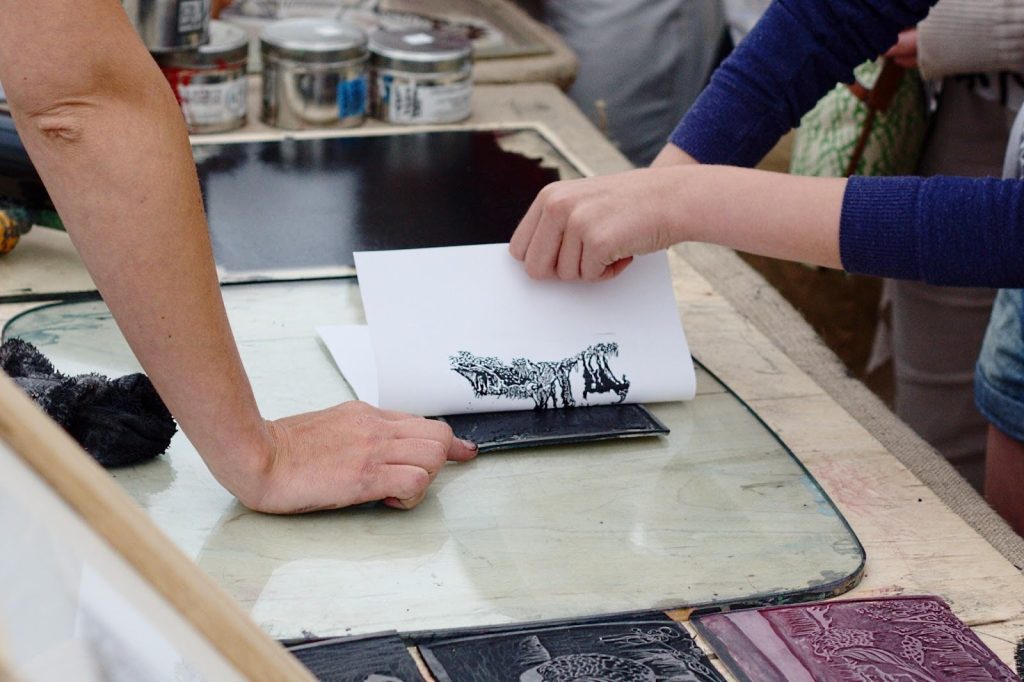
DTF printing, or Direct to Film, is a revolutionary print technology that enables you to print vibrant, durable designs on any type of fabric. For all you small clothing company owners, print on demand shop enablers, or just plain passionate apparel customizers, DTF transfer is about to change the way you make your designs.
So, let’s get to the bottom of what DTF transfer really is, the process behind it and why it is rapidly becoming the go-to for all kinds of creators.
What Does DTF Transfer Mean?
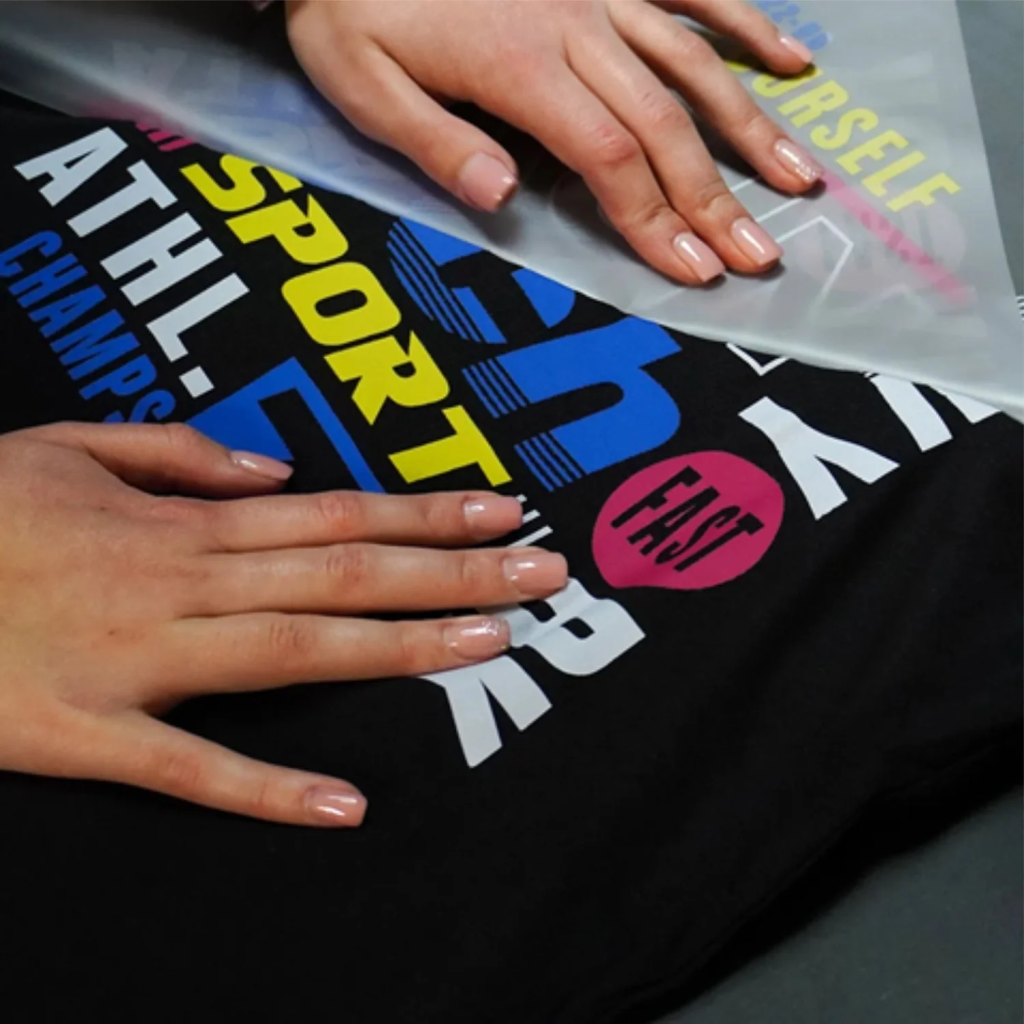
DTF means Direct to Film. It is a dye sub procedure where designs are printed on a unique PET film with textile pigment inks. Once printed, such a film is then overlaid on fabric using heat and pressure.
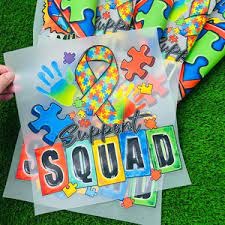
Thus, instead of directly printing on t-shirts (like DTG printing), one obtains a ready to press transfer through DTF, which is a pre-printed design that can be stocked, shipped, or applied to any material when required.
In simple terms:
What this means is that a DTF transfer will be printed on a film that can then be press-assisted on top of any fabric.Such flexibility makes DTF a game changer for both business entities and hobbyists.
How the DTF Transfer Process Works (Step-by-Step)
DTF applies to printers such that, if you grasp how it all works, it is actually not rocket science. Here is the procedure:
- Design Creation
Next, you will prepare your artwork in RIP software. This is where you ensure your work is flipped and ready for processing. The software handles color management and white ink layers. - Printing on PET Film
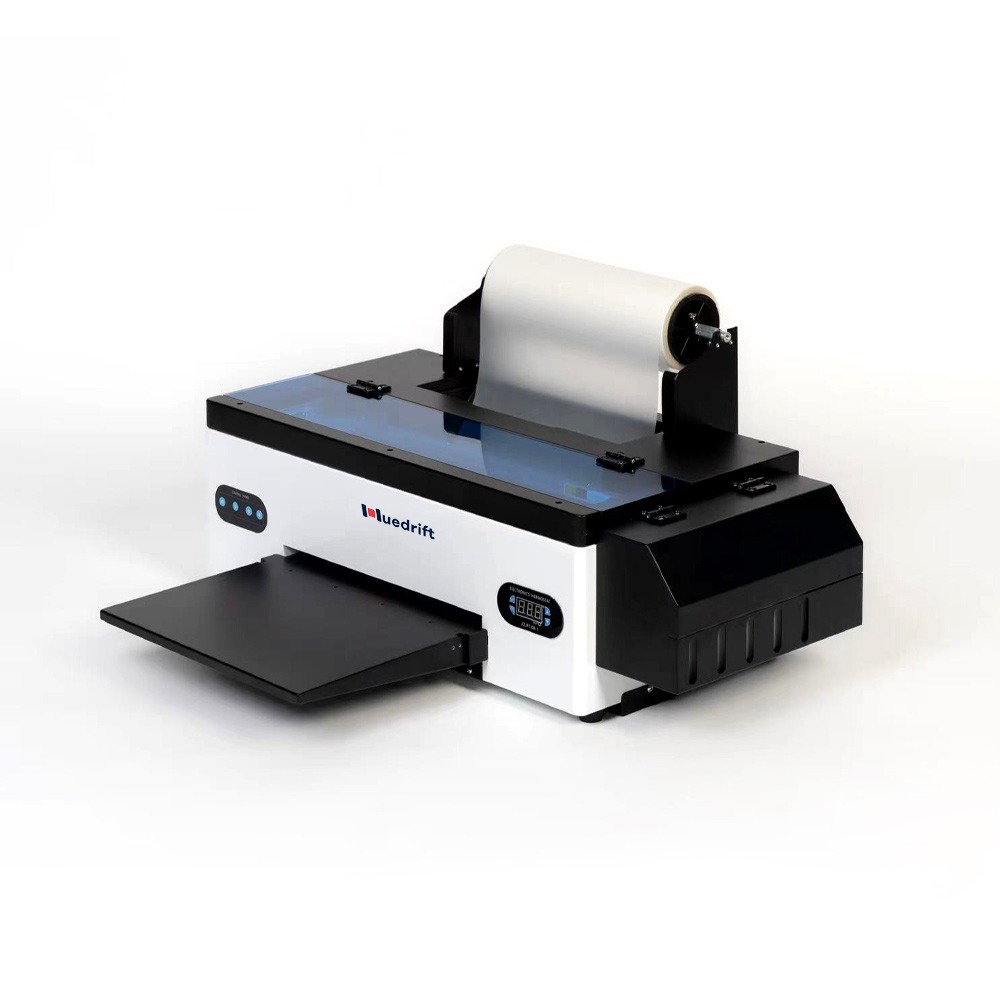
The printer (such as our R1390 DTF printer) prints your design with CMYK + White ink on clear PET film. White ink is a base for bright colors on any type of fabric.
- Powder Application
At this point, while the ink is wet, you spread a hot melt adhesive powder evenly on top of your design.This powdered glue will attach your design to your t-shirt. - Treatment
The printed film is then heated (in a curing oven or heat press) so that the adhesive powder melts and bonds with the ink layer. At this point, the printed film is prepared for transfer or for storage.
- Heat Transfer
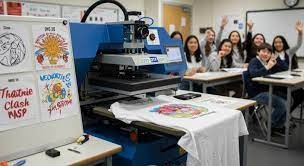
Put this cured film on your garment, and then press it with a heat press at a temperature of 160-170°C (320-340°F) for 15-20 seconds. - Peel & Finish
Remove the film to expose your completed design, now soft and intricate enough to wear. Quick re-pressing can even improve the finish for a silky feel that lasts.
This allows you to print your designs in bulk and then apply, making it one of the most efficient ways to print on demand.
DTF Transfer vs. Other Printing Methods
You might wonder how DTF compares with other popular approaches. Let’s take a brief look:
| Method | Works On | Feel | Durability | Setup |
| DTF | Any fabric (cotton, polyester, blends, leather) | Soft | Excellent | Minimal |
| DTG (Direct to Garment) | Mostly cotton | Soft | Good | Pretreatment required |
| Sublimation | Polyester only | Very soft | Excellent | Limited to light fabrics |
| Heat Transfer Vinyl (HTV) | Most fabrics | Thick | Good | Manual weeding required |
| Screen Printing | All fabrics | Soft | Excellent | High setup cost |
Why DTF wins: It combines the detail of digital printing, the versatility of heat transfer, and the durability of screen printing — without the heavy setup or material limitations.
Top Benefits of DTF Transfers
Now both professionals and beginners are selecting DTF printing, but what is it exactly? Here’s why DTF printing is now a popular choice for both professionals and newbies:
- Can work on any material: cotton, polyester, nylon, denim and leather.
- Bright and vivid colors: color print with high resolution.
- Sturdy and washable styles won’t crack or fade with multiple washes.
- Completely weedless processing with minimal pre-processing for faster work flow.
If you have prints you would like to transfer to another store simply select all.If your aim involves providing top-notch customized prints on a mass scale, then DTF printing does this job professionally, only a fraction of the cost.
Who Uses DTF Transfers?
DTF transfers have created new opportunities for use in both the print and textile industries. These include:
- Small fashion brands looking to produce short runs or test designs prior to mass production.
- Printing businesses that require flexibility and short turnaround times.
- Etsy and other websites offering shipping for custom t-shirts, hoodies, and tote bags.
- Suppliers of corporate merchandise for creating uniforms, promotional items, and branded merchandise.
- DIY creators who enjoy experimenting with custom prints on home.
Whether you’re looking to scale your business or start something new, with DTF printing, you can produce top-notch prints with relatively simple technology.
Necessary Equipment for DTF Printing
Well, to start working with DTF transfers, you will need these following components:
- DTF Printer: The backbone of this process. Such printers such as the R1390 DTF printer are popular for offering a combination of affordability, speed, and print quality. They have:
- One-click ink setup & white ink circulation
- Built-in cutting blade for precise trimming
- Easy-access maintenance on both sides
- Enhanced motherboard with external fuse protection
- One-click ink setup & white ink circulation
- PET Film – Special heat-resistant film used to hold your printed design.
- DTF Ink –These inks are of high pigment quality (CMYK + White).
- Adhesive Powder – To allow bonding of the ink to the fabric.
- Curing Oven or Heat Press –This is used for melting the adhesive powder for transferring the print.
These combined features make up a complete DTF printing process that is compact enough for small-scale workshops but is capable enough for full-scale production.
Frequently Asked Questions About DTF Transfers
1. What does DTF stand for?
Direct to Film is a Direct to Film transfer technique. Designs are printed on films and then heat-transferred to fabric.
2. How long do DTF transfers last?
With proper application and care, DTF prints can be washed over 50 times without color fading or cracking.
3. Can I make DTF transfers at home?
Absolutely. With your desktop DTF printer and heat press, you can do this right in your own work space.
4. What fabrics can DTF be used on?
DTF works on almost any fabric material including, cotton, polyester, nylon, canvas, and more.
5. Is DTF better than sublimation?
Well, for flexibility, absolutely. Although sublimation only prints well on light polyester, DTF is capable of working on both dark and light materials.
Final Thoughts: Why DTF Printing Is the Future of Custom Apparel
The process of DTF transfer printing is more than a trend; it is actually the future for clothing decoration. Its unique ability to create bright, long-lasting, and flexible prints with low setup is absolutely ideal for both start-up businesses and traditional print centers. If you want to improve your print operation I would suggest take a look at the R1390 DTF printer. With economical price it is able to do high resolution printsReady to explore DTF printing?
See our entire line of DTF printers and starter kits] for starting your customized printing experience.