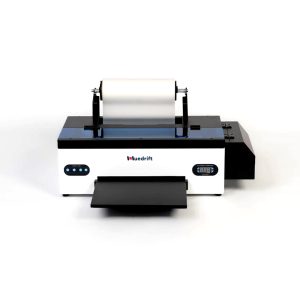
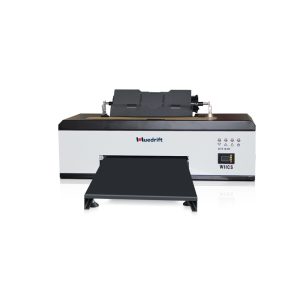
Best DTF Printer for Print-on-Demand Business: Key Features & Top Picks

Successful continuous printing depends on choosing the right equipment, and for designs requiring vibrant colors and durability, a high-quality DTF press is key. Compared to other printing methods, direct film printing can achieve rich, sequential effects of marking and color on a wide variety of garments, but it is expensive and sparse. The best DTF presses balance print quality, speed, and price to meet the evolving needs of printing businesses.

For businesses that require front-end or pre-stretch printing, accessories that are simple to operate, easy to use, and offer reliable ink circulation are ideal. More advanced printers can meet higher production demands, but typically come with higher upfront costs. Exploring options like advanced DTF printers can ensure consistently professional print quality while maintaining effective operational control.

Many DTF printers are capable of transmitting professional standard pattern printing on T-shirts and other garments, enabling seamless workflow integration. Choosing a printer that aligns with your business goals can improve efficiency and output quality. To learn about some top-performing, value-for-money devices, exploring the best DTF printers and printers can provide a clear starting point.

Key features to consider when choosing a printer (POD)

Choosing the right DTF printer requires considering important factors that affect print quality, efficiency, and performance. A good printer should strike a balance between speed, vibrant and long-lasting print quality, maintenance requirements, and accessory compatibility to meet the needs of your printing business.

Print quality

Print quality is crucial for delivering clear designs. High print resolution (typically measured in DPI, or pixels per inch) ensures fine details and smooth transitions. Accurate color reproduction is also essential, especially for multi-color designs, as it results in richer, more realistic prints.

Reliable DTF printers use high-quality inks and advanced printheads to ensure consistent color accuracy. This prevents fading and maintains the vibrancy of the image even after multiple washes. Features such as air suction cup platforms help stabilize the print during printing, reducing blurring or misalignment.

White ink circulation

White ink is crucial when printing on DTF (Digital Tone Function) or colored ink structures. However, white ink is prone to settling, leading to nozzle clogging and uneven printing. A robust white ink circulation system prevents pigment separation and maintains ink flow throughout the printing process.

Printers equipped with automatic white ink circulation reduce manual cleaning and downtime. This system typically includes a stirring unit or ink circulation pump to keep the ink evenly mixed and readily available. For businesses aiming to efficiently handle a wide range of colors, white ink management is a key feature ensuring consistent print quality.

Print size and speed

The final print size determines the design size for a single print run, thus impacting production flexibility. Increasing the print area allows for the printing of extra-large T-shirt designs for newborns in one go, saving time and effort.

In high-volume printing jobs, printing speed is crucial. Faster printing presses can increase output, but quality should not be sacrificed. Some models balance speed and detail by adjusting printhead movement or using precise ink droplets. Printing speed is typically increased in terms of output or meters and is matched to business needs.

Easy to maintain

Maintenance and upkeep affect printer uptime and long-term costs. Easy-to-clean and easy-to-install printers reduce cleaning time and downtime. Features such as automatic printhead cleaning and easy ink replacement can save time for continuous printing plants.

Regular maintenance includes cleaning the printhead, checking ink levels, and replacing consumable components. Easy-to-use printers typically offer a user interface and voice prompts to guide operators. For businesses that print on demand (POD), minimizing the complexity of maintenance ensures a stable workflow and reduces repair costs.

compatibility

Fabric formulation is crucial when producing a variety of garments. The best DTF printers support multiple fabric types, including cotton, polyester, and blends. This flexibility allows businesses to easily switch between different equipment and achieve product diversification.

Some printers employ printing technologies that are highly effective at repairing both synthetic and natural fibers. Some models come with adjustable settings or software to optimize print quality for different textiles. Choosing a highly compatible printer can help expand your product range and avoid limitations. Consider replacing your printer with a model designed for small business needs from reliable resources such as the DTF Printer Archive .

Best Huedrift DTF printers for printing

Designed specifically for continuous printing businesses, DTF printers must strike a balance between speed, print quality, and ease of use. Huedrift’s product line offers a variety of models to meet the needs of businesses of all sizes, from small-batch to advanced users, while providing reliable performance and comprehensive technical support.


Huedrift Pro Max DTF printer

The Huedrift Pro Max is a high-capacity printer based on the Epson L1800 platform . It excels at printing sharp, high-resolution images on light-colored garments, making it ideal for intensive garment printing shops. It supports A3-size printing and consistently delivers color accuracy and ink power.

This printer includes a starter kit to help users get started quickly. It features fast curing and fast powder coating, reducing downtime. The Pro Max also offers a warranty and is designed with user-friendliness in mind, simplifying operations for medium to large businesses. For more details, please visit the Epson L1800 DTF printer page.

Sale

Huedrift Pro Max DTF Printer 13" A3 L1800
  • Select options This product has multiple variants. The options may be chosen on the product page
Rated 0 out of 5

DTF Printer

Huedrift Pro Max DTF Printer 13" A3 L1800

Tired of clogged nozzles, faded colors, and wasted time on unreliable printers? The HueDrift Pro Max DTF Printer 13" A3 L1800 is built to solve those frustrations. Perfect for creators,...

Price range: $2,599.99 through $2,999.99

Huedrift Pro DTF Printer

The Huedrift Pro printer is designed for small businesses that need a reliable A3 DTF printer. It offers fast printing speeds without sacrificing image gain. Users benefit from its highest precision settings, reliable printhead, and accurate white ink printing—key to emphasizing documents.


In terms of cost and performance, it’s ideal for growing print shops. It offers comprehensive technical support and maintenance guidance to minimize operational problems. For small businesses that value both quality and speed, the Pro model is undoubtedly a wise choice. Learn more about the R1390 DTF Small Business Printer.

Huedrift One DTF Printer

The Huedrift One is an entry-level printer designed for beginners or users with small production runs . It’s affordable, easy to operate, simple to set up, and has low operating costs. Despite its low price, it still delivers crisp print quality and reliable white ink coverage.


This case is ideal for queueing businesses and home-based relay printing companies, allowing them to scale up operations before market testing. It offers fast-response customer service, making it easy for users to get started. For budget-conscious entry-level DTF solution users, the Huedrift One remains a good option. Learn more about this most affordable entry-level DTF printer.

Sale

Huedrift One A3+ R1390 DTF Printer
  • Select options This product has multiple variants. The options may be chosen on the product page
Rated 0 out of 5

DTF Printer

Huedrift One A3+ R1390 DTF Printer

Tired of Complex Print Setups and High Maintenance Costs? Huedrift One A3+ R1390 DTF Printer is an adaptable and affordable medium format print-on-demand option that can achieve over 100 prints...

Price range: $1,999.00 through $2,399.00


Tips for using DTF printers to conduct printing business

For continuous printing businesses using DTF printers to operate successfully, the key lies in controlling print quality and efficiency. The aforementioned material handling, machine parameter settings, and planning processes can reduce waste and errors, while also ensuring the durability of the final product.

Using high-quality PET film and powder

Choose the right PET button. High-quality film has uniform thickness and a smooth surface, ensuring clear printing without peeling or cracking.

The powder used must be matched with the film and ink type to ensure that pre-coating is necessary. The fine and uniform powder particles melt evenly during the pressure process, forming a durable bond between the print and the fabric.

Using inferior films or powders often leads to printing defects or poor washability. Businesses should test all suppliers to find reliable and compatible products that support bright colors and sharp details.

Preheat clothes before ironing

Pre-printing garments can increase moisture and reduce wrinkles, which helps to create an even print. This step also reduces the risk of print distortion or poor print adhesion.

The typical preheating time is 5-10 seconds at 150°C (300°F), but the exact time will vary depending on the fabric type. Cotton and polyester blends require different settings to prevent pattern scorching or print distortion.

A consistent, simple, short-term stable garment temperature ensures DTF consistency. However, certain steps may cause fading or damage over time.

Optimize hot press settings

Temperature, pressure, and time are key factors for achieving long-lasting, fast printing results in a hot press. The most commonly used settings are a temperature range of 160°C to 170°C (320°F to 338°F) with moderate pressure.

The pressing time varies from 10 to 20 seconds depending on the type of powder and the fabric of the garment. Overheating can cause the color to fade or the film to burn, while undercooling can reduce spinal strength.

Regular scheduling and testing using specific inks, films, and powders helps determine ideal hot-pressing parameters. The most ideal combination likely requires the best attention, considering durability and color vibrancy.

Keep the white ink circulating and clean the printhead.

In DTF printing, white ink is prone to sedimentation and breakage if not managed properly. A good white ink management system can ensure continuous ink circulation and prevent pigment separation.

Regularly cleaning the printhead is crucial. Clogged nozzles reduce print quality and can cause streaks or missing white areas, affecting the overall brightness of the image.

Daily rinsing and automatic cleaning cycles can extend printhead life and maintain stable output. Operators should pay attention to changes in ink viscosity and adjust the cleaning schedule as needed.

Plan your workflow efficiently

An efficient workflow can reduce errors and turnaround time throughout the week. This includes preparing design drafts, logically cutting film, printing, powder coating, curing, and pressing in sequence.

Batch processing of similar printing jobs can minimize material changeovers and machine adjustments. Centralized storage of consumable materials such as PET film, powder, and ink helps maintain stable production.

In practice, repeated printing may result in losses due to quality checks at each stage. Clearly defined speed specifications and process documentation ensure that the repeatability of the production process can be avoided and guaranteed as demand increases.

Conclusion: Expand your relay printing business with DTF.

DTF printing offers downstream printing companies a flexible way to efficiently print high-quality, vibrant designs on a variety of options. It enables companies to quickly meet demand while maintaining low inventory levels.

By choosing the right DTF printer, businesses can balance cost, speed, and print quality to maintain profitability and customer satisfaction in the long run.

Key factors to focus on when scaling up include:

  • Support stable and reliable equipment
  • Automated processes such as powder oscillation and online curing are employed to achieve an efficient workflow.
  • Quality control aims to minimize costs and maximize returns.

A smart investment in DTF technology enables businesses to expand their product lines with significant upfront investment . Integrating DTF printing with e-commerce platforms simplifies order fulfillment processes and enhances growth potential.

Using scalable printers with features such as automatic white ink cycling and easy maintenance can reduce downtime, thus ensuring stable production even during periods of inactivity.

The second printing company benefits from DTF’s versatility, enabling it to print using different materials and colors. This flexibility helps meet diverse customer preferences and market segment needs.

Ultimately, DTF printing helps businesses increase production capacity and reduce operating costs while maintaining print quality. This helps businesses achieve sustainable growth and a competitive edge in the evolving printing market .

 

Leave a Comment

Your email address will not be published. Required fields are marked *

Shopping Cart