

In Australia, with the wide variety of DTF printers on the market , choosing the best printer is not an easy task. An ideal printer should offer vibrant colors, reliable performance, and cost-effectiveness, especially suitable for garment printing. Among the many options, models equipped with advanced printheads, such as the XP600 and i1600, offer superior print quality and durability, making them popular with both startups and established businesses.
Many DTF printers in Australia offer comprehensive local support and service, ensuring buyers have access to technical support when needed. Printers with features such as white ink recycling, automatic cleaning, and thermoforming compatibility can streamline the printing process and improve print quality. For users looking to build or upgrade their printing equipment, understanding top-of-the-line printers designed specifically for garment personalization can save time and money.
If you’re looking for a printer that combines affordability and professional output, check out our detailed list of the best DTF printers, complete with reliable specifications and user reviews. This will help you make an informed choice based on your printing needs and business growth. For more information on high-quality printers for T-shirt printing, please contact a trusted DTF technology provider.
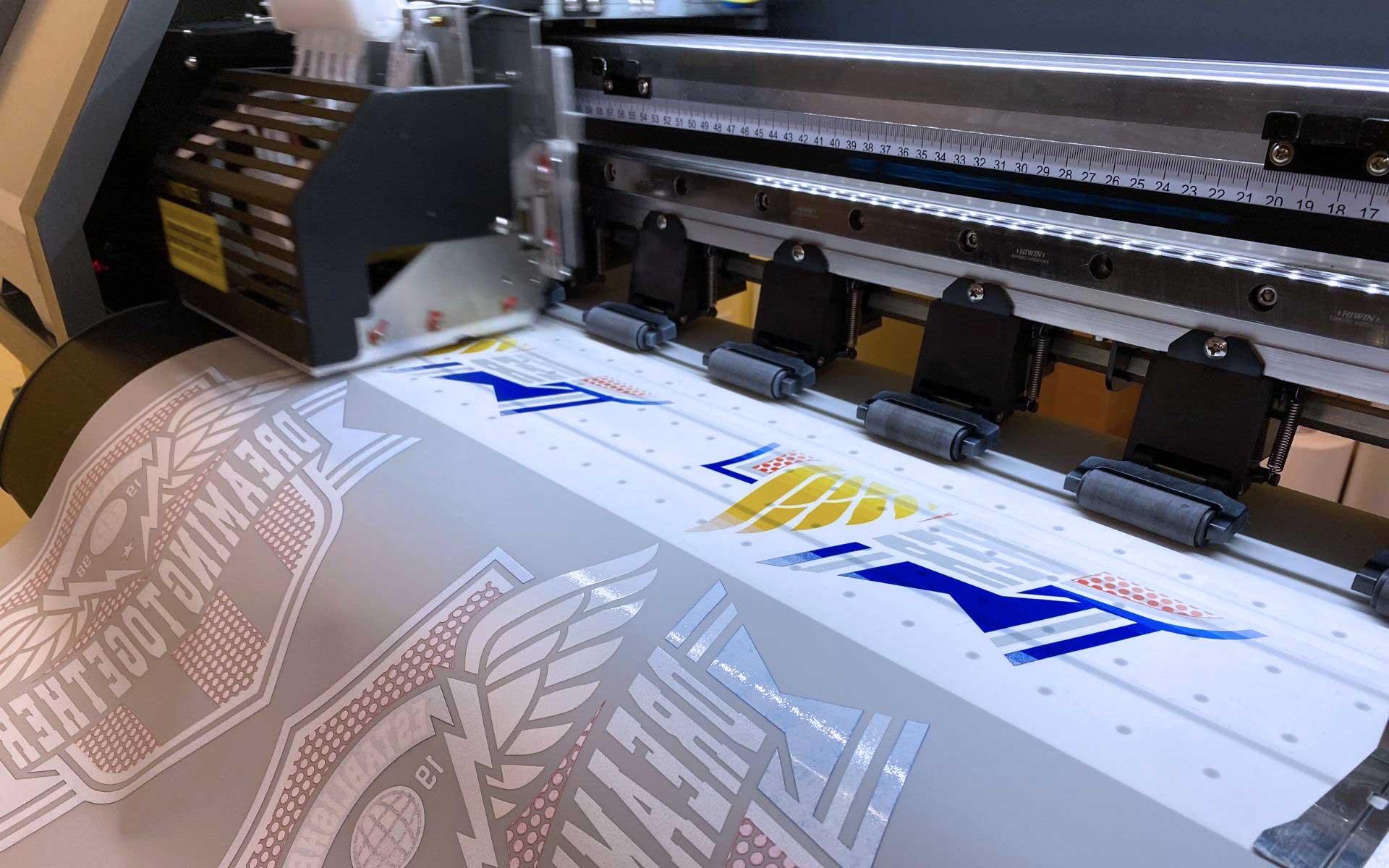
Key features that Australian users need to consider
Several important factors need to be considered when choosing a suitable DTF printer in Australia. These factors include the print size the printer can handle, the print quality of color and white inks, print speed, ease of maintenance, and the availability of local support and delivery services.
Print size and format
Print size is a key factor for Australian users as it determines the types of projects they can complete. Printer sizes range widely, from small A4 paper printers to large roll printers that can handle 16-inch or larger sheets. Smaller sizes are suitable for businesses focusing on small garment items or those with limited space.
Roll printers enable continuous printing, making them ideal for medium to large-sized enterprises for efficient batch printing. They offer greater flexibility in terms of print length and project size.
When evaluating a printer, users need to check its compatibility with different film sizes and whether it supports standard DTF transfer film widely sold in Australia. This ensures convenient procurement of consumables.
Print quality and white ink flow
Print quality is paramount, especially for vibrant colors and smooth gradients. The white ink circulation system plays a crucial role because white ink is prone to settling and clogging.
Printers equipped with automatic white ink stirring or circulation functions prevent ink from drying inside the printer, thus maintaining consistent print quality. This is especially important for printing on dark fabrics.
High-resolution printing, at least 1440 dpi, helps produce sharp, detailed images. Australian users should choose printers with reliable white ink performance to minimize maintenance downtime.
Speed and efficiency
DTF printers vary widely in printing speed, ranging from entry-level models suitable for occasional use to fast commercial machines designed for heavy workloads.
Printing speed typically depends on print size , resolution, and whether the printer uses roll paper or sheet paper. Faster models can reduce turnaround time and lower labor costs.
Efficiency also includes the printer’s utilization of ink and consumables. Models equipped with automatic powder coating or automatic cleaning systems can reduce manual operations and speed up production.
For businesses looking to thrive in Australia’s competitive market, balancing printing speed and cost per print is crucial.
Easy to maintain
DTF printers require regular maintenance to operate reliably. Ease of maintenance is achieved through automatic cleaning functions and components that facilitate ink and powder replacement.
Printers that employ a simple white ink circulation system and a built-in cleaning cycle help reduce clogging and downtime.
Clear maintenance instructions and easy access to spare parts can improve daily production efficiency. Australian buyers benefit from printers designed to operate with minimal technical intervention.
Choosing a printer with good local support can further reduce maintenance challenges.
Local support and delivery
Due to the unique nature of DTF printing, local support is crucial for Australian users. Timely access to technical service, replacement parts, and consumables helps avoid lengthy delays.
Transportation conditions and costs also impact overall business budgets. Choosing suppliers or brands with warehouses in Australia or that offer fast shipping can reduce wait times.
For example, some suppliers offer complete kits containing powder, film, and ink, all of which meet local standards. This all-in-one solution simplifies the installation and subsequent supply process.
Users can find industry-leading models through trusted DTF printer suppliers and enjoy reliable local service and shipping .
Australia’s best Huedrift DTF printer
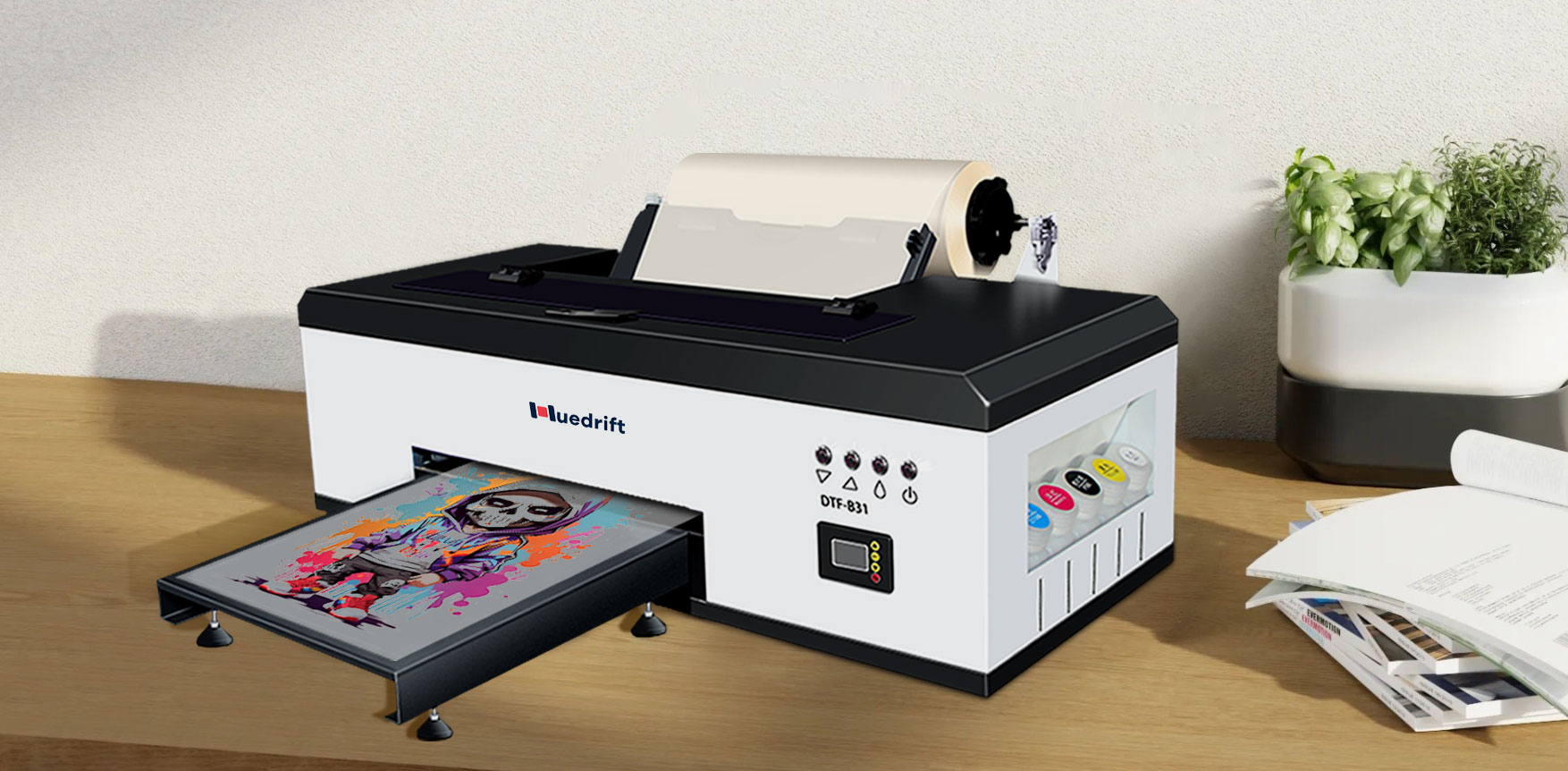
Huedrift offers three main printer models to suit different printing needs and experience levels. These printers vary in size, speed, and features, making it easy for small businesses or advanced users to find the right option. All models are designed to deliver reliable, high-quality prints and feature easy setup and support.
Huedrift Pro Max DTF printer
The Huedrift Pro Max DTF printer is designed for high-volume production and professional use. It utilizes the Epson L1800 print engine, renowned for its sharp, vibrant prints. This model supports faster printing speeds, making it ideal for businesses that need to efficiently process large orders.
Pro Max includes a complete starter kit for immediate use and reduces operating costs per print run. It handles a variety of fabrics, including cotton, polyester, and blends. Users enjoy reliable performance and crisp print quality, crucial for commercial printing.
This printer is readily available; it’s the Epson L1800 DTF shirt printer, and comes with a warranty and fast shipping.

Huedrift Pro DTF Printer
The Huedrift Pro DTF printer offers both quality and value . Featuring the R1390 print engine and an A3-size printing capability, it’s ideal for small and medium-sized businesses. This model prioritizes fast, reliable output and ease of setup, making it tailored for users looking to expand their productivity.
This printer is designed for stable and reliable printing results with minimal maintenance. It excels at producing vibrant colors and sharp images, crucial for custom apparel businesses. We also provide support and tutorials to help users get the most out of the printer’s performance.
This is a highly recommended option for those looking to equip their small businesses with a fast, reliable DTF printer.

Huedrift One DTF Printer
The Huedrift One DTF printer is suitable for beginners and users with limited printing needs. It’s an entry-level device with a low initial investment cost, yet still delivers high-quality prints. Easy to set up, it’s ideal for beginners or hobbyists.
This model boasts low operating costs while delivering consistent printing results on common fabrics. Its lightweight and compact design makes it ideal for workspace-constrained environments. We offer comprehensive technical support to help DTF printing beginners get started quickly and produce professional-quality prints.
For those looking for an affordable option , the cheapest DTF printer is a good starting point, and the print quality is also quite good.
Advice for Australian buyers
Australian buyers should pay particular attention to power compatibility, consumable supply, and regular printer maintenance . Using appropriate consumables and following maintenance guidelines will ensure smooth printer operation and high-quality print results.
Check voltage compatibility and plug type
Internationally sold DTF printers often use different voltages or plug types. In Australia, the standard voltage is 230V, the frequency is 50Hz, and the plug is a three-prong flat plug. Buyers must confirm that the printer supports this voltage or has a suitable power adapter.
Using the wrong voltage can damage the printer or void the warranty. If the printer is imported, a plug adapter or voltage converter may be required. Checking this information before purchasing can avoid installation problems. Australian suppliers usually offer compatible models to avoid these issues.
Local procurement of Huedrift consumables
Consumables such as ink, powder, and PET film are essential for DTF printing and must be replenished regularly. Sourcing these consumables locally can reduce transportation costs and waiting times, and also ensure that the product meets local climate and electrical standards.
Australian businesses should seek suppliers who can provide pigment-based inks and powders compatible with their printer models. Using recommended consumables helps maintain print durability and color accuracy, and also avoids image quality degradation or printer damage due to compatibility issues.
Keep the white ink circulating smoothly and clean the printhead regularly.
White ink is prone to settling and clogging, a common problem in DTF printers that use pigment inks. Australian users must periodically circulate the white ink in their systems to prevent clogging.
Maintaining clean printheads is crucial for ensuring consistent print quality. This includes routine cleaning as well as deep cleaning when clogging occurs. Keeping the work area humid also helps prevent ink from drying out and damaging the nozzles.
Use recommended PET film and high-quality ink.
PET film is the transfer medium in DTF printing and must be compatible with both the printer and ink. Australian buyers should purchase films recommended by the printer manufacturer to ensure good adhesion and color reproduction.
High-quality pigment inks formulated specifically for DTF printing deliver vibrant colors and long-lasting print quality. Using inferior or incompatible inks can result in poor print quality and even damage the printhead. Sticking to the recommended materials minimizes downtime and ensures consistent output quality.
Conclusion: Revitalize Your Australian Printing Business
High-quality DTF printers bring flexibility and efficiency to Australian printing businesses. Users can easily create vibrant patterns on a variety of fabrics without pre-treating them. This reduces setup time and streamlines workflows.
Many printers on the market combine high-speed printing with high resolution, resulting in crisp details and vibrant colors. For example, some A3+ printers can print a full 13-inch wide document in just a few minutes, helping businesses maintain high productivity.
When choosing a DTF printer, factors such as print size, speed, ink quality, and ease of use are all important. Small businesses may prefer compact desktop printers, while large businesses typically require large-format printers to handle larger print runs.
Key advantages of DTF printers :
- Easy to operate, with a gentle learning curve
- No fabric pretreatment required
- High-quality, durable printed materials
- Suitable for both light and dark fabrics
By choosing the right DTF printer , Australian businesses can more confidently improve productivity and expand their product lines. The technology’s versatility caters to both creative and business needs, making it a viable investment in today’s competitive market.