
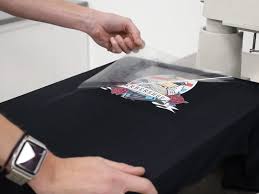
For any user who values high-quality thermal transfer printing , choosing a top-of-the-line DTF printer equipped with a white ink circulation system is crucial. This system ensures continuous ink flow, preventing clogging and guaranteeing smooth, consistent printing results on both dark and light fabrics. Printers with this feature reduce maintenance, minimize downtime, and produce vibrant, durable prints.
This system is especially important for thermal transfer printers because white ink, if not continuously flowing, can easily settle and clog the nozzles. Models like the Godora L1800 and BB Transfer combine reliable white ink circulation, automatic cleaning, and powder vibration to significantly improve printing efficiency. This technology is particularly suitable for small businesses and creative users who require reliable performance and ease of use.
Investing in a DTF printer with a powerful white ink circulation system means higher print quality and fewer print interruptions. Many top-of-the-line models also include features such as fast printheads, automatic cleaning, and powder curing—all designed to streamline the garment printing process and deliver clear, long-lasting prints.
What should you pay attention to when purchasing a DTF printer with white ink recycling function?
Choosing the right DTF printer hinges on its white ink circulation , print quality, and maintainability. The printer should maintain smooth ink flow, prevent clogging, and provide consistent color output. A reliable machine should also be compatible with high-quality materials and offer a user-friendly experience.
Continuous white ink cycle
A robust white ink circulation system is crucial for maintaining ink flow and preventing sedimentation. White ink contains pigments such as titanium dioxide, which can settle over time. The circulation system must prevent sedimentation to avoid clogging and maintain a stable ink delivery.
Choose a printer equipped with a peristaltic pump or similar pump to ensure a steady flow of ink. This system typically circulates the ink, filtering out impurities and returning unused ink to the ink reservoir. This reduces waste and improves printing stability. Continuous circulation extends printhead life and reduces the need for frequent cleaning.
Automatic cleaning or ink mixing
Automatic cleaning or ink agitation functions prevent ink buildup, thus improving printer reliability. Some printers gently agitate white ink to avoid air bubbles and allow the ink to flow slowly to reduce sedimentation.
A timed ink agitator can automatically initiate cycles, especially during downtime. This keeps the ink in the cartridges fresh and usable. Regular agitation reduces the need for frequent cleaning cycles, thus saving ink and improving operational efficiency .
Choosing a printer with automatic cleaning capabilities can simplify maintenance, reduce user intervention, and thus lower the risk of clogging and mechanical wear.
Consistent color gradations and smooth gradients
High-quality printing results depend on precise layering of the white ink base. A superior DTF printer maintains a smooth, uniform white layer, ensuring vibrant colors are clearly rendered on various fabrics.
White ink circulation should ensure controlled droplet size and uniform ink concentration. This helps create smooth gradients and sharp patterns, especially on dark or mixed-color clothing.
The software integration with the printer also allows for control over ink layers and heating levels, thereby optimizing print quality. These features enable users to easily and accurately customize print settings for a variety of designs.
Compatibility with high-quality inks and PET films
The printer must support high-quality white ink and durable PET film for DTF printing. High-quality ink remains stable in the circulation pump and is better protected against clogging.
The printer should be compatible with the original manufacturer’s or recommended inks, avoiding the use of inks with poor formulations that can lead to sediment buildup. Similarly, the PET film must also be well-matched with the ink to ensure the durability of the transfer and color accuracy.
Reliable printers typically specify the supported ink types and film types. Choosing a material-compatible printer increases flexibility and ensures consistent printing across various applications.
Low maintenance cost and reliable quality
Durability impacts long-term costs and user satisfaction. White ink is abrasive and quickly wears down pumps and hoses. A robust and durable circulation system made from corrosion-resistant materials such as stainless steel or high-grade plastics reduces replacement needs.
Choose a water pump that operates quietly with minimal vibration. These pumps improve the working environment and reduce mechanical stress. Easy-to-clean parts and simple maintenance also save time and money.
A printer with a good warranty and customer support can protect your investment. To maintain optimal performance, it is recommended to replace the white ink circulation pump approximately every three months.
To ensure quality and reliability, choosing a printer with advanced white ink recycling technology guarantees better printing performance and a longer lifespan. DTFThe printer library offers a reliable selection of models and other options for creators and businesses.
The best Huedrift DTF printers equipped with a white ink recycling system
These printers are known for their reliable white ink circulation system, which helps prevent clogging and ensures consistent print quality. They offer a variety of print sizes and speeds to meet diverse business needs, while maintaining crisp, vibrant prints on a wide range of fabrics.
Huedrift Pro Max DTF printer
The Huedrift Pro Max is designed for high-volume printing and features an advanced white ink circulation system. This system prevents ink buildup and ensures smooth flow of white ink, reducing downtime caused by clogging. This printer supports larger rolls of transfer film, making it ideal for continuous printing.
It uses the Epson L1800 printing engine, renowned for its precision and sharp image reproduction. The Pro Max offers higher resolution and faster output speeds, and is equipped with a drying system to maintain ink quality. This makes it ideal for businesses that can scale up production without requiring industrial-grade equipment.
For more information on the Epson L1800 model, please visit the L1800 DTF printer store .

Huedrift Pro DTF Printer
The Huedrift Pro balances speed and quality, making it ideal for small and medium-sized businesses. It features dual printheads, including the XP600 printhead, significantly improving efficiency and color accuracy. Its white ink mixing system ensures the ink is always evenly mixed and ready to use, reducing the risk of clogging.
This model offers a larger printing area than the entry-level model, making it better suited to growing order demands. It combines higher printing accuracy with faster printing speeds, easily handling a variety of fabrics, including cotton and blends. The Pro model is fully compatible with Windows software, simplifying the operation process.
Detailed information about this printer can be found on the R1390 DTF printer .

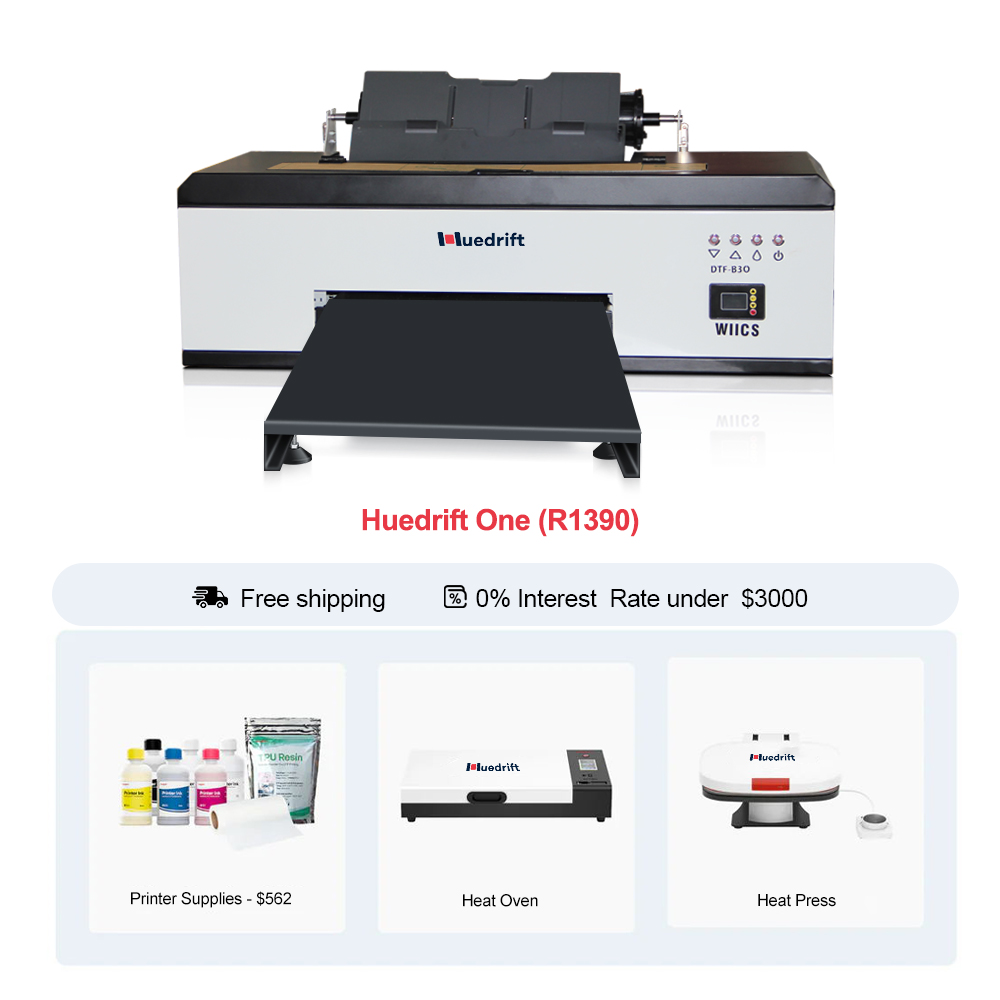
Huedrift One DTF Printer
The Huedrift One is an affordable option for beginners or businesses with moderate printing volumes. It uses the Epson L1390 print engine, known for its vibrant colors, and features an automatic white ink circulation system. This feature prevents ink buildup, thus avoiding nozzle clogging issues common in lower-end models.
The One printer boasts a simple and user-friendly design, low operating costs, and guaranteed print quality even in space-constrained environments. It handles a wide variety of fabrics with ease and supports A3-size printing, making it ideal for startups focused on quality and consistency. Comprehensive technical support and an intuitive user interface make it perfect for novice users.
Learn more about this affordable DTF printer .
Maintenance tips for white ink printers
Maintaining a white ink printer requires daily care to ensure smooth ink flow and prevent damage. Proper maintenance can extend printhead life and ensure vibrant colors when creating DTF transfer paper at home or in a small business. Certain habits can help avoid common clogging problems associated with the unique properties of white ink .
Daily operating cycle system
Running the circulation system daily is crucial to preventing white ink from settling. White ink contains a significant amount of titanium dioxide pigment, which will naturally settle if left stagnant. The circulation system ensures that the ink flows evenly across the lines and printhead, thus reducing sediment buildup.
Daily circulation prevents thick ink deposits from clogging the nozzles. Even on non-printing days, activating this system or printing a small white test strip helps maintain ink flow. Many printers with white ink circulation also come equipped with a stirring mechanism to keep the pigment suspended, which is crucial for ensuring consistent output.
Regular use of the circulation system keeps the printer readily available and reduces the risk of costly downtime due to nozzle clogging.
Use high-quality white ink
Choosing high-quality white ink has a significant impact on printer reliability. Premium ink uses finely ground pigments and stabilizers to ensure titanium dioxide is evenly suspended. Lower-quality ink is more prone to sedimentation, leading to clogging.
High-quality ink also meets the printer’s viscosity specifications, allowing it to flow smoothly through the narrow nozzles of the printhead. This reduces wear on printer components and minimizes the risk of partial or complete clogging.
For users performing DTF transfer at home, using inks specifically designed for white substrates ensures better adhesion to TPU powder and produces more vibrant colors on dark fabrics. Investing in reputable ink brands helps maintain long-term print quality and reduces maintenance frequency.
Clean the print head regularly
Because white ink has a high viscosity and a high pigment content, regular printhead cleaning is essential. Frequent light cleaning can prevent dried ink deposits from clogging the nozzle openings.
Users should perform nozzle checks daily and auto-clean as needed. For stubborn clogging , manual cleaning with an approved solvent may be necessary. Gently wiping surrounding components, such as the capping station and doctor blade, can also help remove dried ink and dust.
It is recommended to replace the printhead after prolonged use, as white ink can accelerate nozzle wear. Regular cleaning can maintain print quality and prevent streaks or missing lines in DTF prints.
Store ink cartridges correctly
Proper storage of white ink cartridges or bottles will keep the ink fresh and prevent clogging. Ink should be stored in airtight containers to prevent dust, debris, and air from entering, which can cause the ink to thicken or dry out.
Ideal storage conditions are in a cool, dry place, away from direct sunlight. The temperature should be maintained between 20°C and 28°C (68°F and 82°F). Avoid drastic temperature fluctuations to prevent changes in ink consistency.
Gently shake the ink cartridge before use to resuspend the ink. When storing the cartridge, the ink level should be above the minimum level to help maintain smooth ink flow and reduce air bubbles generated during printing.
Control humidity and temperature
Maintaining appropriate humidity and temperature in the printing area affects the performance of white ink. Low humidity or high temperature environments can cause white ink to dry too quickly on the nozzles, leading to clogging.
The optimal relative humidity range is 40% to 60%. Maintaining a temperature between 20°C and 28°C helps maintain ink stability. Avoid placing the printer in direct sunlight, near fans, or near heating vents to prevent uneven drying or sudden temperature increases.
Stable environmental conditions prevent ink from drying out too quickly in the printhead or lines. This control is especially important when performing DTF transfers, as fluctuations in home environments can be greater than in industrial environments.
Conclusion: Smooth and reliable printing begins with distribution.
A white ink circulation system is crucial for reliable DTF printing. It ensures a continuous flow of white ink, preventing clogging and ink settling, thus avoiding printhead damage and downtime. This helps maintain consistent print quality over the long term.
Printers with built-in ink recirculation reduce the need for manual shaking and ink cleaning. This saves time, reduces maintenance costs, and minimizes prolonged printing interruptions.
Key advantages include:
- Prevent ink sedimentation and nozzle clogging
- Keep colors vibrant, especially on dark-colored fabrics.
- Extend the lifespan of printer components
- Reduce the need for manual maintenance
For small businesses and startups, printers equipped with automatic white ink cycling can significantly improve productivity and print consistency. Models such as the Godora L1800 or M1630 Pro kit offer proven solutions across various price ranges .
Investing in a DTF printer equipped with a white ink recycling system ensures smooth operation and minimizes costly downtime. This allows businesses to focus on production and deliver high-quality garment prints with less disruption.