
Introduction: The Importance of the Right Printing Method
Starting your own custom printing business can be exciting—but it can also be overwhelming. One of the first and most critical decisions you’ll make is choosing the right printing method. The method you pick will affect not only the quality of your products but also your efficiency, costs, and ultimately your profit margins.
For many beginners, the choice comes down to two popular options: DTF (Direct-to-Film) and sublimation. Both methods have their fans, and both can produce stunning results—but they aren’t created equal when it comes to versatility, ease of use, and business potential.
If you’re wondering which method is better, you’ve come to the right place. In this guide, we’ll break down the basics of DTF and sublimation, compare their strengths and weaknesses, and explain why DTF may be the smarter choice for beginners—especially when using a reliable Huedrift DTF printer.
Understanding the Basics: What Are DTF and Sublimation?
Before you can decide which printing method is best for your business, it helps to understand how each process works.
Sublimation Printing
Sublimation printing is a method where special sublimation ink is transferred onto polyester or polymer-coated materials using heat. The ink turns into a gas when heated and bonds with the fibers of the fabric, creating vibrant, permanent prints.
Key points about sublimation:
- Works best on light-colored polyester fabrics or coated surfaces.
- Produces smooth, vibrant designs with excellent color detail.
- Limited versatility: doesn’t work well on cotton, dark fabrics, or certain blends.
While sublimation is popular among beginners for its bright results, its limitations become noticeable once you want to print on a wider range of fabrics or darker items.
DTF Printing
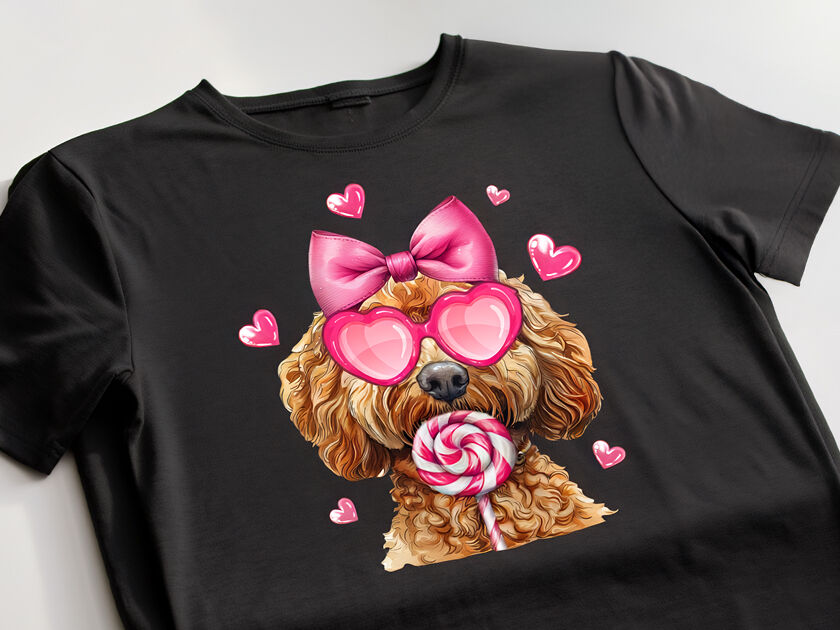
DTF, or Direct-to-Film printing, is a newer method that involves printing designs onto a special film, applying a powder adhesive, and then heat-transferring the design onto fabric.
Key points about DTF:
- Works on any fabric, including cotton, polyester, blends, and even dark-colored materials.
- Beginner-friendly: easier to set up and less prone to mistakes than sublimation.
- Produces prints that are durable, vibrant, and soft to the touch.
Here’s a simple comparison table to summarize:
| Feature | Sublimation | DTF |
| Best Fabric | Polyester | Cotton, Polyester, Blends |
| Works on Dark Fabrics? | ❌ | ✅ |
| Color Vibrancy | High on light fabrics | High on all fabrics |
| Durability / Washability | Good | Excellent |
| Beginner-Friendly | Moderate | Easy |
| Product Variety | Limited | Wide range (shirts, hoodies, hats, bags) |
As you can see, DTF offers more flexibility, which is a major advantage for beginners looking to experiment with different fabrics and products.
Pros and Cons: DTF vs Sublimation
Understanding the strengths and weaknesses of each method will help you make an informed decision.
Sublimation Pros and Cons
Pros:
- Excellent for polyester fabrics.
- Creates smooth, vibrant prints with detailed graphics.
- Ideal for light-colored fabrics or coated items like mugs and phone cases.
Cons:
- Limited to polyester or polymer-coated surfaces.
- Not suitable for dark fabrics without special workarounds.
- Small margin for error; mistakes can ruin a print.
- Less versatile for scaling up a small business with varied products.
Example products: Polyester t-shirts, mugs, water bottles, mousepads.
DTF Pros and Cons
Pros:
- Works on cotton, polyester, blends, and dark fabrics.
- Beginner-friendly and easier to learn.
- Scalable for small businesses, with faster setup for multiple products.
- Prints are durable, vibrant, and maintain quality after multiple washes.
Cons:
- Slightly newer technology; some machines may require learning, though Huedrift printers are designed for beginners.
Example products: Cotton t-shirts, hoodies, tote bags, hats, fabric accessories.
In practice, DTF offers more freedom for creative entrepreneurs, allowing them to explore multiple product types without being limited by fabric or color restrictions.
Cost and Efficiency Comparison
For beginners, startup costs and efficiency are critical.
Sublimation costs:
- Requires a sublimation printer, heat press, sublimation inks, and coated materials.
- Limited to specific fabrics, meaning you may need multiple machines or additional products to expand your offerings.
DTF costs:
- Requires a DTF printer, adhesive powder, heat press, and standard fabrics.
- More versatile, meaning one machine can handle a wide range of products.
- Huedrift DTF printers are all-in-one, beginner-friendly solutions that reduce setup errors and save time.
Efficiency:
“For small businesses, every minute and every dollar counts—this is where DTF shines.” DTF allows you to produce high-quality prints faster and on more fabric types, making it easier to scale your business without purchasing multiple setups.
Consumables for DTF are often more cost-effective in the long run, especially when printing on dark or blended fabrics where sublimation wouldn’t be an option.
Quality and Versatility: What Matters for Beginners
When starting your printing business, quality and versatility are just as important as cost.
- Color vibrancy: DTF prints remain bright and bold across different fabrics, including dark colors.
- Wash durability: DTF transfers maintain their quality after repeated washes, preventing returns or complaints.
- Fabric versatility: Unlike sublimation, which is limited to polyester, DTF can print on cotton, blends, polyester, and even specialty fabrics.
Beginners often start with sublimation only to hit limitations when they want to expand their product offerings. DTF avoids this problem, allowing you to explore creative designs and a variety of products right from the start.
Why Huedrift DTF Printers Are Ideal for Beginners
If you’re considering DTF, choosing a reliable printer is crucial. Huedrift DTF printers are designed with beginners in mind, combining ease of use with high-quality results.
Key benefits include:
- Easy setup and beginner-friendly software: You don’t need to be a tech expert to get started.
- Reliable print quality: Every print is vibrant and consistent, reducing wasted materials.
- Affordable maintenance and consumables: Keeping costs low helps you maximize profit.
- Wide range of printable items: From t-shirts and hoodies to tote bags and hats, you can expand your offerings without additional machines.
If you’re starting out, Huedrift DTF printers are a great choice to get your business off the ground with minimal stress and maximum versatility.
Conclusion: Choosing the Right Method for You
So, is DTF better than sublimation? For beginners looking to start a custom printing business, the answer is often yes. DTF offers versatility, beginner-friendly setup, and scalability, allowing you to print on a variety of fabrics and products without being restricted by color or material.
While sublimation has its place—especially for polyester and light-colored products—DTF opens the door to a wider range of possibilities and makes it easier for newcomers to create high-quality prints consistently.
If you’re ready to start your printing journey, consider investing in a Huedrift DTF printer. With reliable performance, easy setup, and the ability to print on almost any fabric, Huedrift makes it simple to bring your creative ideas to life and build a profitable business.
Ready to try DTF? Explore Huedrift’s lineup to start creating high-quality prints today.