

For startups looking to enter the custom printing market, finding a budget-friendly DTF printer that delivers good quality is essential. Direct-to-Film printing allows for vibrant, durable prints on various materials, making it perfect for businesses offering custom designs. The best budget DTF printer for startups balances cost, print quality, and ease of use to help new businesses create professional-looking products without overspending.
Choosing the right printer means considering features like print size, ink management, and maintenance requirements. Many affordable options come as complete kits with everything needed to start printing, which can save time and money. Startups should focus on models that support a variety of custom designs while offering reliable performance and straightforward setup.
A printer that works well on different fabrics and accessories can help a startup expand its product range quickly. With the right budget DTF printer, businesses can efficiently produce custom apparel and other items, even with limited resources. Selecting a machine designed for beginners or small-scale production sets the foundation for growth and success in the competitive custom printing market.
What Makes A DTF Printer Budget-Friendly?
A budget-friendly DTF printer balances upfront costs, operating expenses, and ease of use without sacrificing quality. This means print size, ink costs, maintenance, and reliability all matter. Startups need a machine that fits their budget but still produces durable, vibrant prints.
Price Range
A budget DTF printer usually costs between $500 and $2,000. True entry-level models may appear under $500, but these often need DIY setup or modifications. Most reliable budget printers start around $1,000 to $1,500.
Startups should factor in the total cost, including accessories such as powder adhesive, heat press, and DTF inks. High-end features like advanced white ink stirring systems may raise the price but improve print quality and consistency. Investing slightly more upfront can reduce issues and downtime.
Print Size
Print size affects the versatility and types of products a startup can offer. Budget printers often range between A4 (about 8.3″ wide) and A3 (around 13″ wide) print widths.
A3 printers provide flexibility for printing larger designs on bags, t-shirts, and hoodies. A4 models work well for smaller items like hats or labels. Startups must consider product plans carefully: smaller prints reduce initial cost but may limit business growth.
Maintenance And Ink Cost
Maintenance and ink costs are ongoing expenses that impact a printer’s affordability. DTF ink, especially white ink, requires special care to avoid clogging and settling. Printers with automated white ink circulation systems reduce maintenance time and waste.
Budget-friendly printers often come with features for easier cleaning, but some require manual interventions. Ink cost varies by brand and quality but typically makes up a large part of operating expenses. Choosing printers compatible with affordable, high-quality inks helps keep costs manageable.
Ease Of Use For Beginners
User-friendly design is crucial for startups new to DTF printing. A budget printer that’s easy to set up and operate reduces learning curves and startup delays.
Simple software, clear instructions, and minimal manual maintenance improve beginner success. Features like automatic cleaning and built-in cutters save time and reduce errors. Printers that work well with common operating systems and standard RIP software ease workflow integration.
Reliable Brands
Choosing a budget DTF printer from a trusted brand matters for long-term performance. Established brands often provide better customer support, warranties, and product reliability.
Brands like PUNEHOD and Procolored offer models with good print resolution, white ink management, and build quality suitable for startups. Reliable brands use mature DTF ink technology, ensuring prints are durable and vibrant. Startups benefit from brand consistency when scaling production or adding features.
Top 5 Budget DTF Printers For Startups
Finding a budget-friendly DTF printer that balances quality, ease of use, and cost is key for startups. Each printer below is chosen for its affordability and features that support small business needs, like manageable print sizes, reliable ink systems, and user-friendly operation.
Huedrift Pro Max DTF Printer
The Huedrift Pro Max is based on the Epson L1800, a popular choice for direct-to-film printing on shirts. It offers a print area of up to 13″ x 8.5″, fitting many small to medium projects. It features an advanced white ink circulation system that prevents clogging, maintaining print quality over time.
This DTF transfer printer supports vibrant prints on various fabrics, including cotton and polyester. It comes as part of a starter kit including inks, powders, and accessories, reducing initial setup complexity. The printer is valued for stable performance and comes with warranties and support, making it a reliable choice for startups seeking a balance of quality and cost. More details are available on the Epson L1800 DTF printer page.

Procolored L1800 DTF Printer
The Procolored L1800 adapts the Epson L1800 model for direct-to-film use, delivering consistent and sharp prints. It offers an adequate print size for most startup needs and includes features like white ink circulation and automatic cleaning to maintain smooth operation.
Ideal for small businesses, it supports printing on stretchable and non-fabric surfaces. It’s straightforward to operate and maintain, lowering the learning curve for new users. Its cost remains accessible for those entering the market while ensuring professional-grade results. The Procolored L1800 is a solid step up from basic models, balancing print quality and ease of setup.

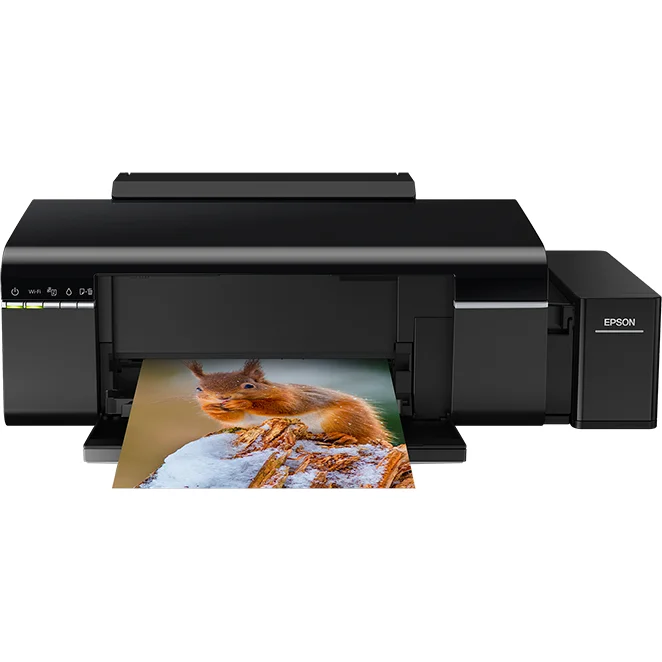
Epson L805 Converted DTF Printer
The Epson L805, when converted for DTF, is a compact A4 model popular with home-based businesses and startups with limited space. It offers a maximum print width of approximately 8.3 inches, suitable for smaller apparel and accessories.
Although its size limits larger projects, the L805’s white ink management system helps avoid ink settling issues common in DTF printing. It’s well-regarded for producing vibrant and durable prints on cotton and polyester shirts. This printer is budget-friendly and frequently sold with bundles that include powder adhesive and heat press essentials, making setup straightforward for beginners.
Aprint A4 Mini DTF Printer
The Aprint A4 Mini is designed for startups focusing on small runs and single-item orders. Its compact size adapts well to limited workspaces and is ideal for producing small designs or logos.
It features a simple white ink system to prevent clogging and supports various fabric materials. The printer provides consistent output quality for its price and works well alongside an affordable heat press setup. Its lower volume capacity makes it less suited for scaling quickly but perfect for testing and early-stage custom printing businesses.
Sublistar Mini DTF Printer
The Sublistar Mini is another strong option in the A4 DTF printer category. It offers ease of use and efficient operation, making it suitable for beginners and budget-conscious startups.
With reliable white ink circulation and print heads optimized for smaller formats, it produces sharp images on different fabrics. This model also includes software support for quick design adjustments and print management. It’s a practical choice for small business owners who want to offer custom apparel without large upfront costs.
Key Buying Tips For Startup Owners
Choosing a budget DTF printer means looking beyond just the upfront price. Important factors like ongoing costs, support availability, future growth, and software quality can affect the printer’s value and ease of use over time.
Compare Total Running Cost
Startup owners need to consider the full cost of running a DTF printer, not just the initial purchase price. Ink, especially white ink, can be expensive and requires proper circulation systems to prevent waste or clogging.
Film and adhesive powder costs add up as well. Printers with efficient ink usage and built-in white ink stirring systems reduce maintenance costs and downtime.
Other running costs include electricity and replacement parts like print heads. A printer with a lower initial price but high ink or maintenance costs might end up costing more in the long run. Budget buyers should calculate estimated monthly expenses based on expected print volume.
After-Sales Support And Spare Parts
Reliable after-sales support is critical for startups entering the DTF market. They should choose brands known for fast response times and clear customer service channels.
Availability of spare parts like print heads, rollers, and cleaning components can save time and money. A brand with local or regional suppliers simplifies repairs.
Good warranty coverage reduces financial risk. Some budget printers may come with limited support, so buyers must check reviews and ask about service options before committing.
Scalability
Startups should assess if the printer can grow with their business. Features like roll feed support or larger print areas allow for increased production without buying new machines.
Printers with upgradeable print heads or modular components give flexibility to improve speed and quality over time.
If the startup expects to expand product types or order volumes, choosing a DTF printer that handles various materials and sizes prevents early replacement. Scalability helps avoid high costs or delays as the business develops.
Quality RIP Software And Equipment
RIP software is essential for controlling color output and print quality in DTF printing. It manages white ink layers and optimizes image details, which greatly affects the final result.
Startups should look for printers bundled with easy-to-use RIP software or compatible with reliable third-party options.
Equipment quality, including precise white ink circulation and stable print heads, reduces maintenance and improves consistency. A stable white ink system prevents clogging, which is a common issue in lower-end models.
Investing in printers that combine good hardware and software ensures startup owners can deliver vibrant, sharp prints with less hassle.
DTF Printing Tips For Success
Starting with careful tests helps ensure each print meets quality standards. Using the right materials, like good films and inks, greatly affects print durability. Regular printer care keeps machines running smoothly. Lastly, building a brand focuses attention on professionalism and consistency in every product.
Test Print Regularly
Regular test prints are crucial in direct-to-film printing. They help detect issues like color inaccuracies or poor adhesion early. By printing small samples, operators can check if the DTF powder is applied evenly and if the heat press settings are correct.
Adjustments to temperature, pressure, or curing time can be made based on test results. Frequent testing saves money by avoiding wasted materials and poor-quality prints. It also ensures the final product has vibrant colors and sharp details before a full production run.
Use High-Quality Films And Inks
The choice of films and inks directly impacts print sharpness and durability. High-quality DTF films provide consistent ink absorption without smudging. Using reputable water-based DTF inks ensures vivid colors and good color fastness after heat pressing.
DTF powder quality is also key; it must melt correctly to bond the print to the fabric. Low-quality powder may cause cracking or peeling after washing. Investing in quality consumables reduces reprints and keeps customer satisfaction high.
Maintain Print Heads
Print head care is essential to avoid clogs and maintain print quality. DTF printers often have white ink, which can settle or clog if left unattended. Daily cleaning routines and using automatic cleaning functions help prevent buildup.
Operators should monitor ink flow systems and avoid long idle times. Proper maintenance extends print head life and reduces costly repairs. A clean print head consistently produces sharp images with smooth color gradients.
Build Your Brand
Consistent branding builds trust with customers. Using DTF printing to produce reliable, vibrant products helps establish a professional reputation. It’s important to maintain uniform color quality and product presentation.
Packaging, labeling, and social media presence should match the quality of printed items. Highlighting the durability and versatility of DTF prints, such as their wash resistance, can attract repeat business. Clear communication about product care invites customer confidence.
Final Thoughts
Choosing the best budget DTF printer for startups involves balancing cost, quality, and ease of use. A good printer should offer reliable print quality without requiring a large initial investment. It must also be simple enough for beginners to operate and maintain.
The SENORTIAN A3 DTF Printer with Oven Bundle stands out as a strong option. It delivers professional prints on various fabrics and includes essential accessories like a curing oven and ink circulation system. This helps reduce downtime and maintenance challenges.
Startups should consider factors such as print size, white ink management, and software compatibility before making a purchase. Compact printers that support A3 sizes offer flexibility for designs without taking up too much workspace.
Profitability is key. With low costs per print and the ability to fulfill small orders, DTF printing can provide steady returns. However, users must keep up with regular maintenance to ensure printhead longevity and consistent output.
Here’s a quick checklist for startups:
- Affordable starter kits with essential tools included
- Durable white ink systems to prevent clogging
- Print quality capable of lasting 50+ washes
- Compatibility with multiple fabric types
- User-friendly operation for beginners
Selecting the right budget DTF printer helps new businesses enter the custom apparel market efficiently while managing costs and scaling as demand grows.